


Key Specifications
| Item | Options / Range |
|---|---|
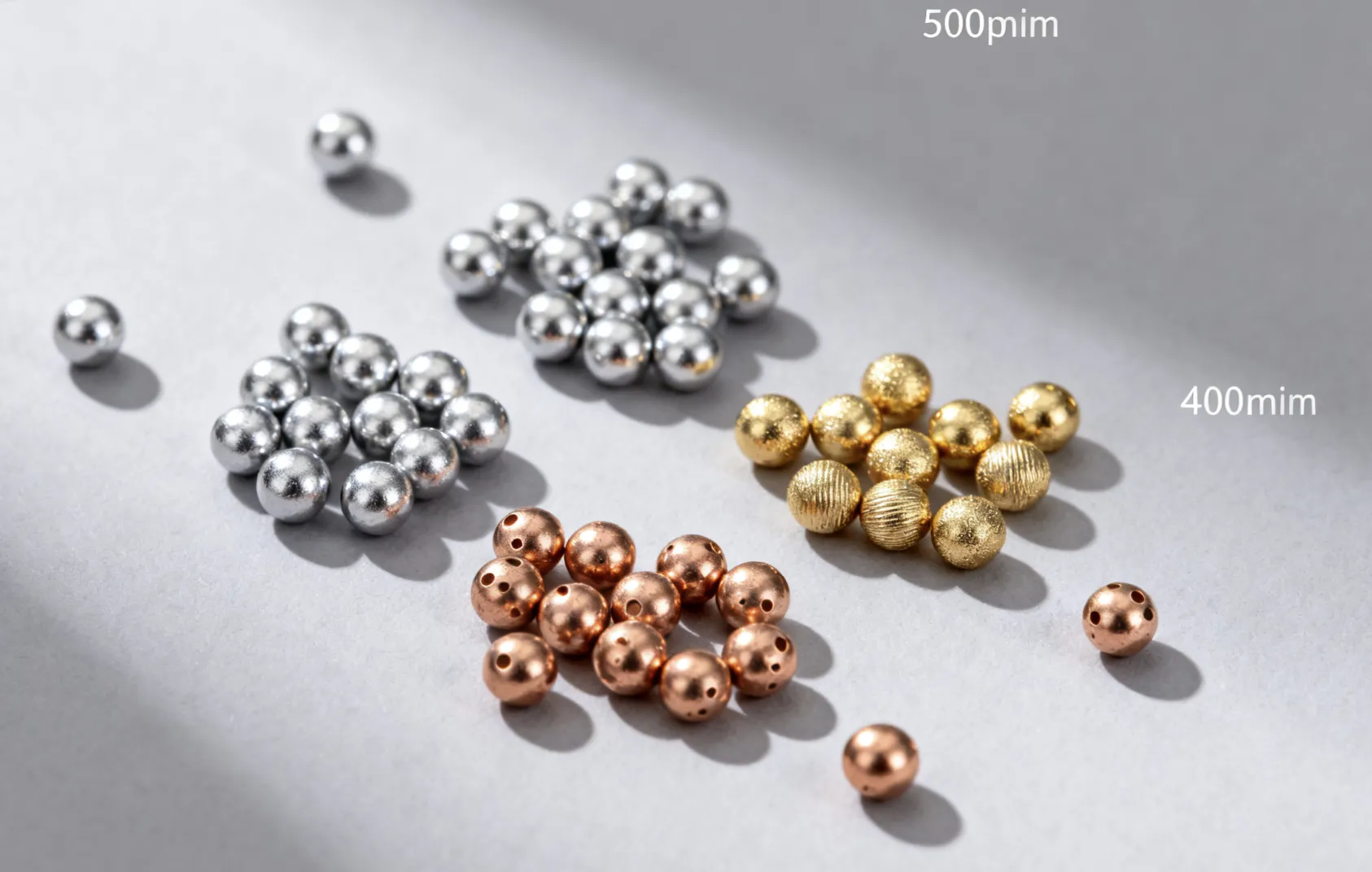
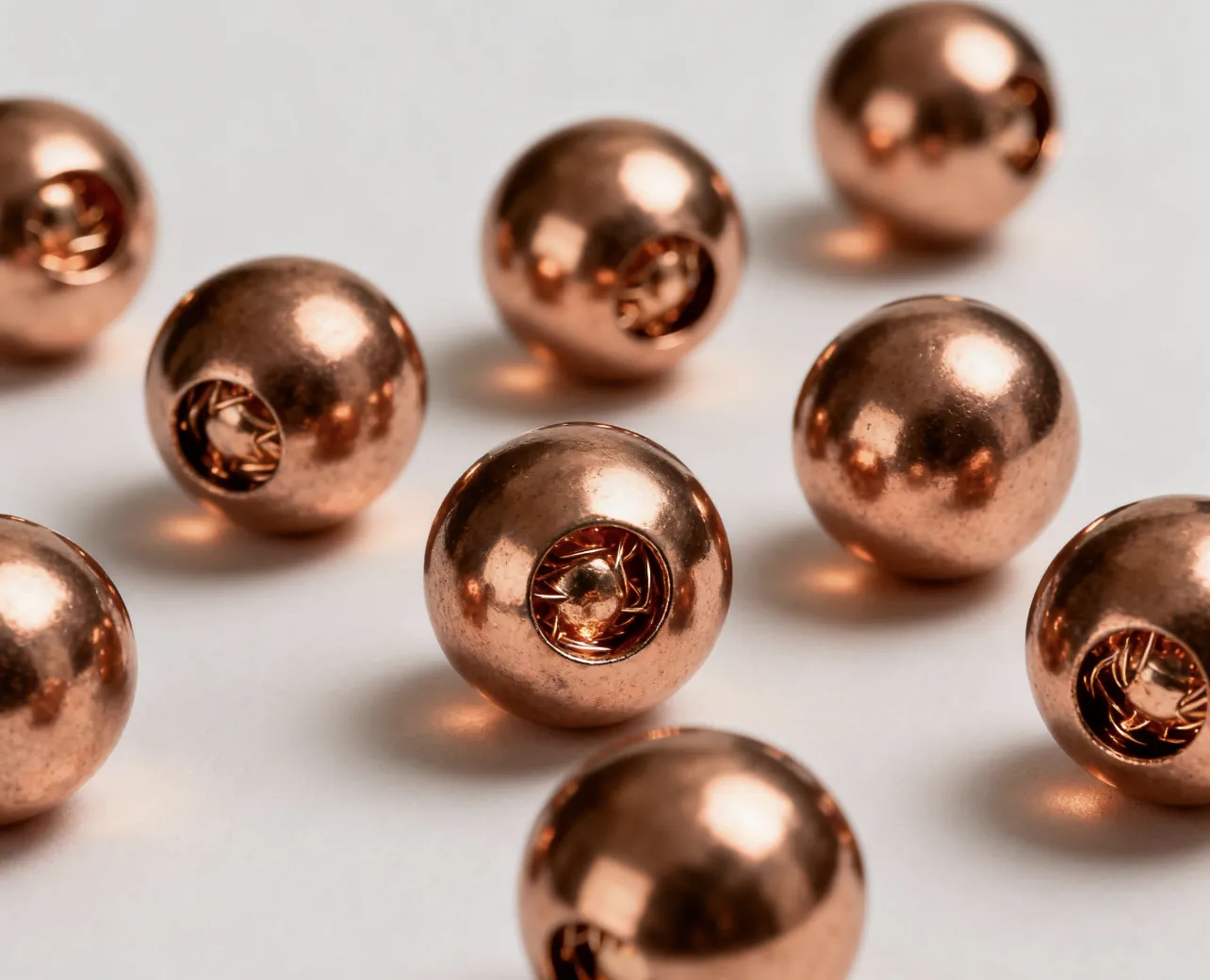
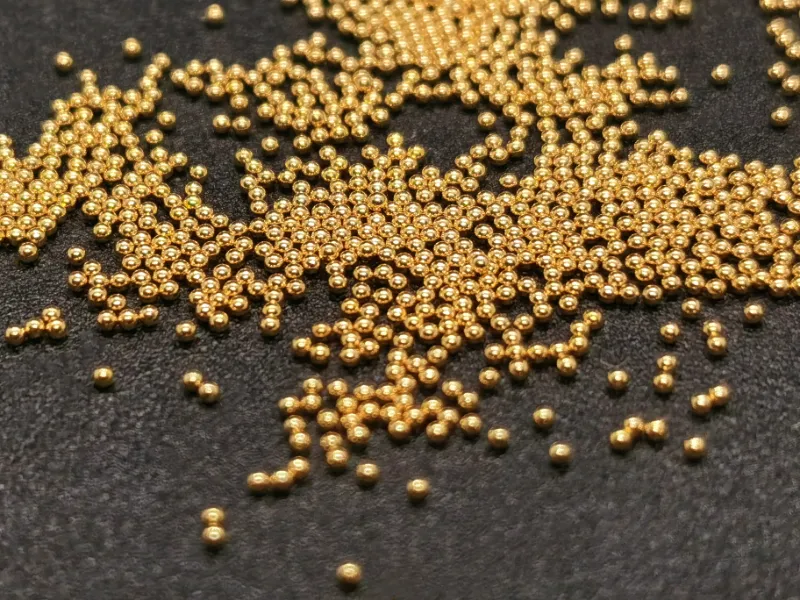
| Product | Copper Core Solder Balls (Copper-Core Solder Spheres) |
| Construction | Copper core + solder alloy shell |
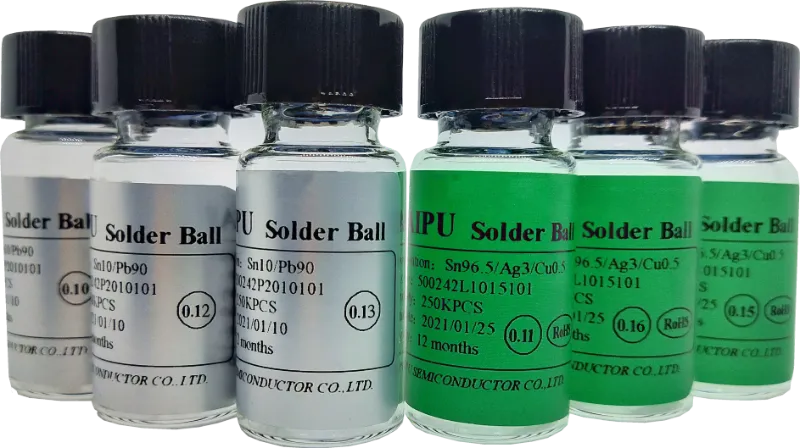
| Shell Alloys (Typical) | SAC305 (Sn96.5/Ag3.0/Cu0.5), Sn63Pb37 (other alloys available on request) |
| Diameter Range | 0.10–1.00 mm (custom sizes available) |
| Diameter Tolerance | Tight tolerance available (application-based) |
| Sphericity / Roundness | High sphericity for consistent placement and joint geometry |
| Key Benefit | Stable stand-off; reduced collapse in multi-reflow processes |
| Packaging | Waffle tray / tape & reel / bottle (vial/jar); custom label & quantity |
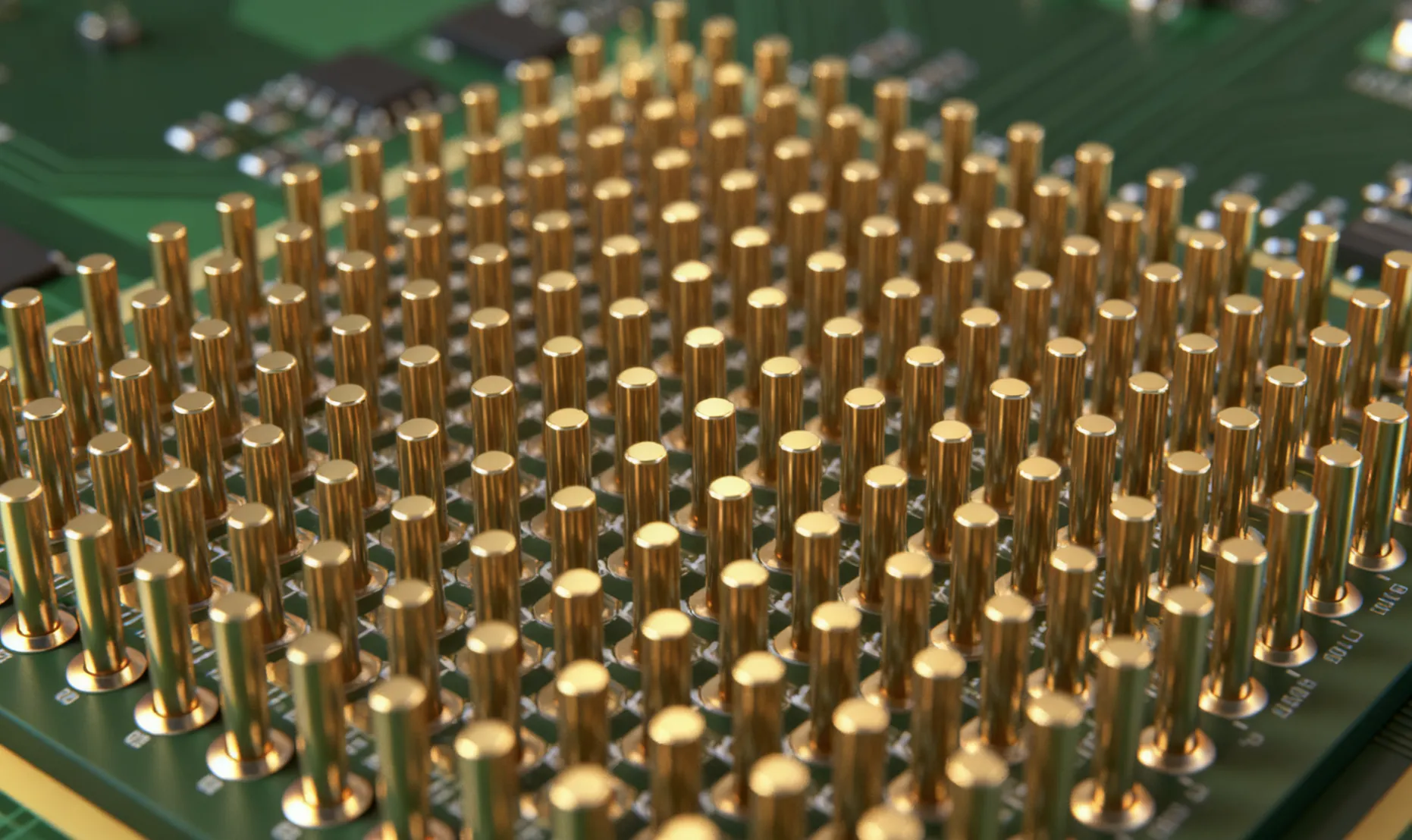
| Use Cases | BGA attach, reballing/rework, high I/O packages, thermal/mechanical reliability builds |
| Storage | Sealed, dry, cool; controlled humidity to limit oxidation |
Product Features & Advantages
- Prevents solder joint collapse during multiple reflows
The copper core provides a physical “backbone,” helping keep joint height more consistent and lowering the chance of shorts caused by excessive collapse. - Improved electrical and thermal conduction path
Copper enhances conductivity and heat transfer, supporting higher power density and tighter thermal budgets. - More controlled stand-off height
A stable stand-off can help with coplanarity, reduce stress concentration, and support more consistent underfill flow (where used). - Better fatigue resistance in harsh environments
The composite structure can help improve robustness under thermal cycling, vibration, and CTE mismatch scenarios. - Fine-pitch and high-density friendly
High sphericity and controlled size distribution support repeatable placement and uniform joints.
Typical Applications
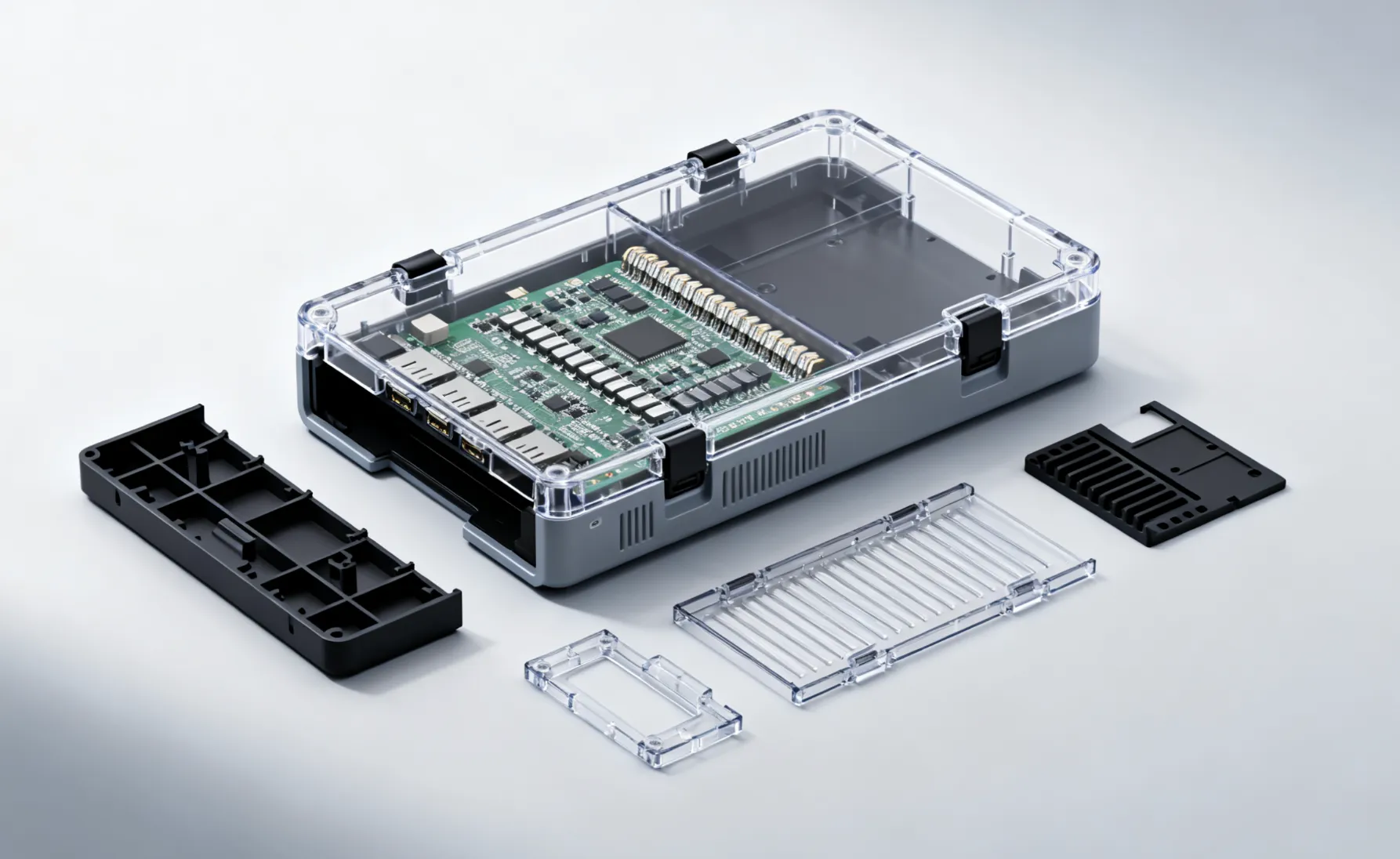
- High-reliability BGA packages (server, industrial control, telecom)
- Automotive electronics (ECU/ADAS modules, high temp cycling)
- Multi-reflow assembly lines where standard solder balls may slump or collapse
- Reballing / rework for premium repair centers and EMS lines
- CTE-mismatch assemblies where joint geometry consistency matters
Quick Selection Guide
1) Choose shell alloy by compliance + process
- SAC305: common lead-free choice for RoHS builds
- Sn63Pb37: common for repair/rework where legacy compatibility is required
2) Choose diameter by package pitch and pad design
Send your BGA pitch + pad diameter (or package drawing), and we’ll recommend a practical size with suitable tolerance.
3) Plan packaging based on your line
- Tape & reel: pick-and-place efficiency and automation
- Waffle tray: clean handling for engineering and high-mix builds
- Bottle/vial: flexible for labs and reballing workflows
Customization Options
- Diameter & tolerance window (including tighter distribution for fine-pitch)
- Shell alloy selection (lead-free / leaded / specialty alloys)
- Packaging format (waffle tray / tape & reel pocket spec / bottle)
- Labeling (lot traceability, OEM branding, barcodes)
- Documentation pack (COA, TDS, SDS; compliance statements)
Quality Control & Service
- Lot-based alloy verification and incoming material control
- Size distribution inspection (diameter, sphericity, surface condition)
- Batch traceability for repeat orders and audits
- Support for engineering samples → pilot run → mass production with consistent controls
Ordering Information (Get a Precise Quote Fast)
To receive a line-item quotation, send:
- Shell alloy (SAC305 / Sn63Pb37 / other)
- Ball diameter (mm) + tolerance requirement
- Packaging format (waffle tray / tape & reel / bottle)
- Quantity (sample / pilot / production) and target lead time
- Application notes (new attach vs reballing, multi-reflow requirement, peak temp window)
- Destination & shipping preference
Best practice: If you share your package model or drawing, we can recommend the most stable size + packaging combination for your build.
FAQ
1) What’s the main advantage of copper core solder balls vs standard solder balls?
More stable stand-off height and reduced risk of joint collapse—especially after multiple reflows.
2) Do copper core balls help reduce short circuits?
They can reduce shorts caused by excessive collapse/bridging by maintaining a more consistent joint geometry.
3) Are copper core balls compatible with standard reflow processes?
Yes. The solder shell is designed to wet and reflow under typical profiles for the selected alloy.
4) Can I use them for BGA reballing/rework?
Yes—commonly used for high-value repairs where joint stability and reliability are critical.
5) Which shell alloy should I choose: SAC305 or Sn63Pb37?
Use SAC305 for most lead-free builds; Sn63Pb37 is often used for legacy/repair compatibility. If unsure, share your process constraints.
6) What sizes do you offer?
Commonly 0.10–1.00 mm, with custom sizes available. Selection depends on pitch and pad design.
7) Do you offer tape & reel packaging for automated lines?
Yes. Provide your reel/pocket requirements and pick-and-place needs.
8) Can you provide COA and lot traceability?
Yes. Documentation and traceability can be supplied per batch.
9) How should copper core balls be stored?
Keep sealed in a dry, cool environment; minimize humidity exposure to reduce oxidation.
10) Can I start with samples before mass production?
Yes—sampling is recommended to validate your stencil/flux/reflow and reliability targets.