In the world of high-reliability microelectronics, particularly for CCGA (Ceramic Column Grid Array) packaging, the choice of interconnect is a critical decision. The most common debate among packaging engineers is: Solid Solder Columns vs. Copper Strip Wound Helical Columns.
While both serve as the bridge between the ceramic substrate and the PCB, their performance under thermal stress is worlds apart.
The Challenge: CTE Mismatch
Ceramic substrates and FR4 PCBs expand and contract at different rates when temperatures change.1 This is known as CTE (Coefficient of Thermal Expansion) mismatch.
- Ceramic Substrate: Low CTE (approx. 6 ppm/°C)
- PCB (FR4): High CTE (approx. 14–17 ppm/°C)
As the device operates, this difference creates immense shear stress on the solder joints.
Solid Solder Columns: The Rigid Approach
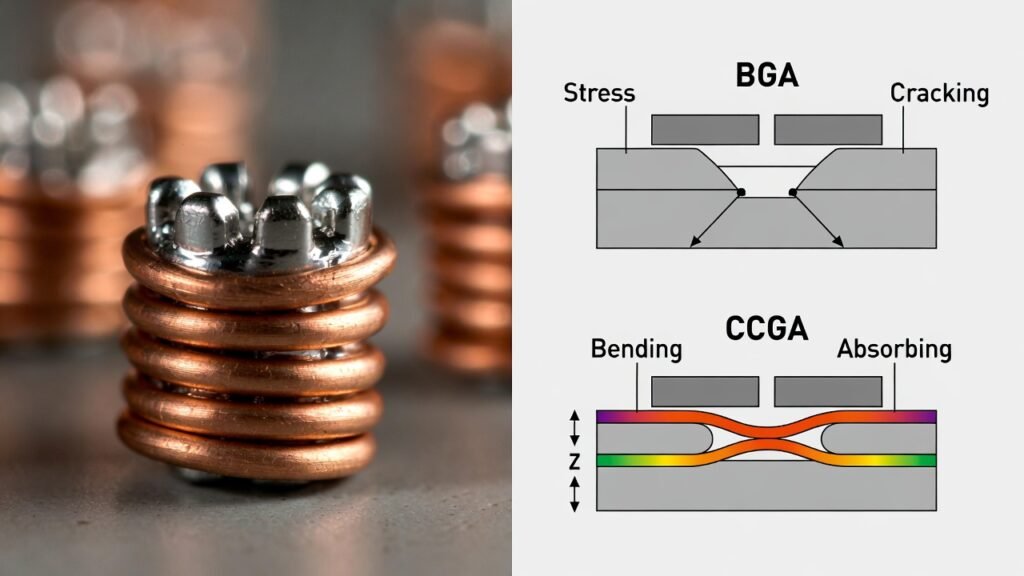
Solid columns, typically made of high-lead solder (Sn10Pb90), provide the necessary standoff height to reduce strain. However, they are inherently rigid.
- Failure Mode: Under repeated thermal cycling (e.g., -55°C to +125°C), the stress concentrates at the top and bottom interfaces. Over time, micro-cracks form and propagate through the solid solder, leading to electrical failure.
- Best For: Standard industrial applications where thermal fluctuations are moderate.
Helical Solder Columns: The "Spring" Advantage
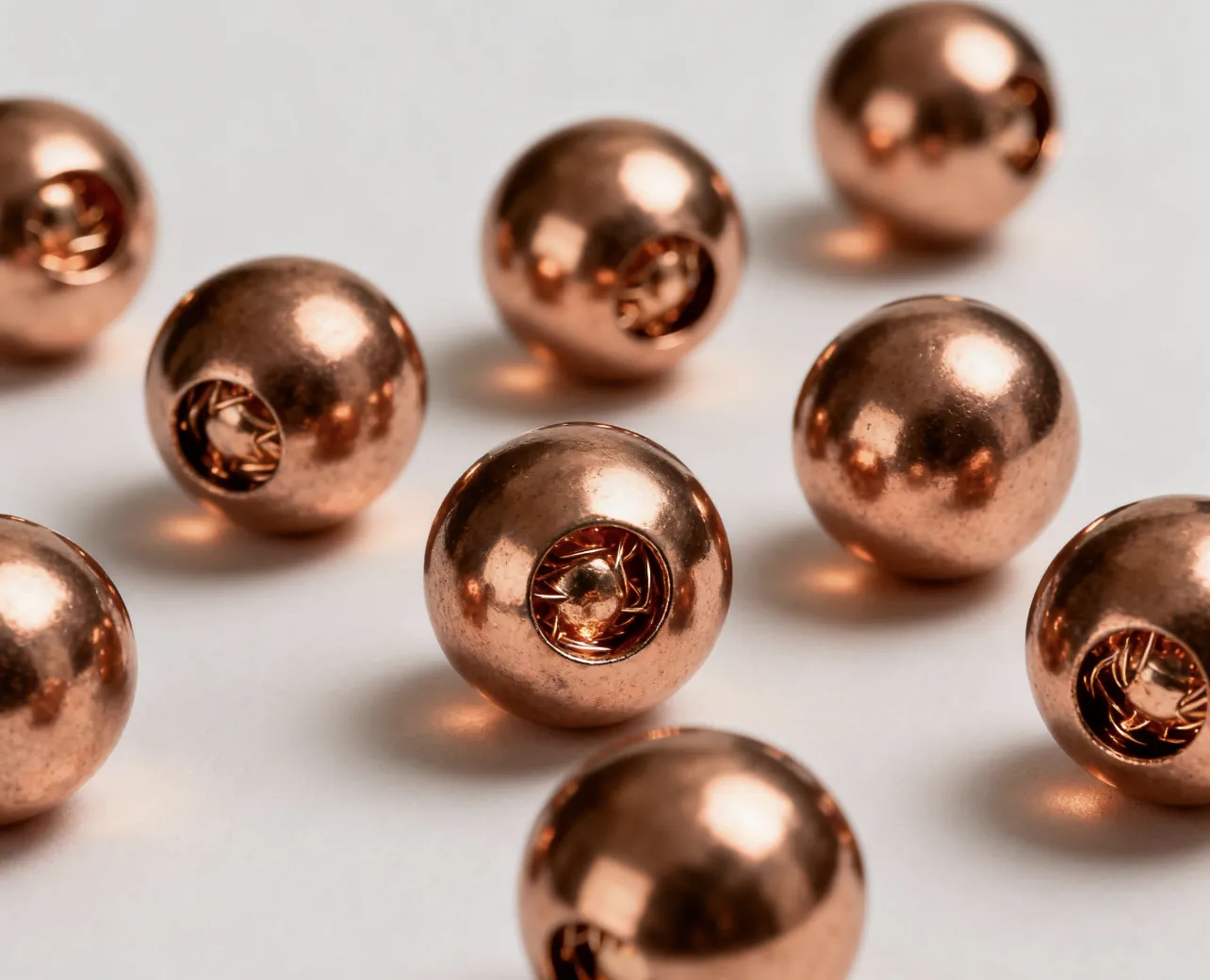
The Copper Strip Wound Helical Column is engineered specifically to neutralize CTE stress. It consists of a copper ribbon spirally wound and coated with solder.
- The Spring Effect: The helical structure acts as a mechanical spring. Instead of resisting the shear force, the column flexes.
- Stress Distribution: Unlike the solid version, the helical design distributes mechanical strain along the entire length of the copper spiral.
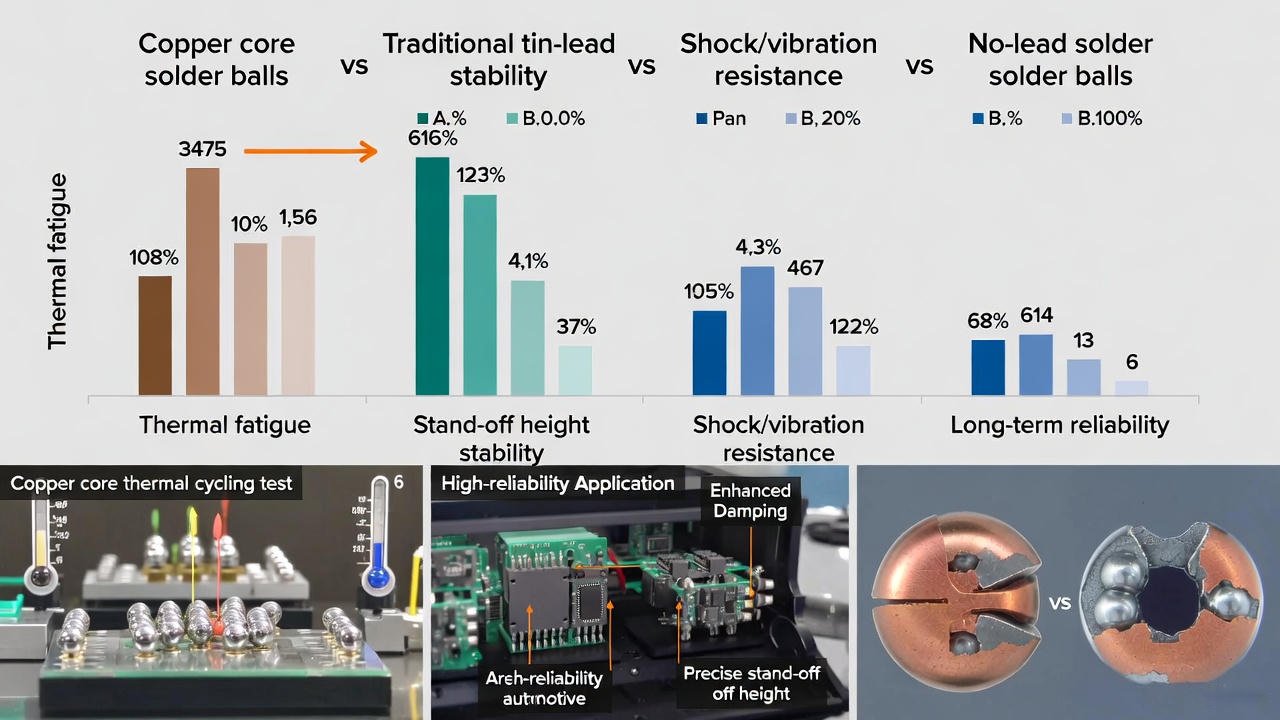
- Fatigue Resistance: Test data shows that helical columns can withstand significantly more thermal cycles (often 2x to 5x more) before any sign of degradation compared to solid columns.
Comparative Performance Table
| Feature | Solid Solder Column | Helical Solder Column |
| Structure | Homogeneous Solid Alloy | Copper Strip Wound Helix |
| Flexibility | Low (Rigid) | High (Spring-like) |
| Thermal Fatigue Life | Moderate | Extreme |
| Vibration Resistance | Good | Superior |
| Primary Application | Commercial / Industrial | Space / Defense / Aerospace |

Which One Should You Choose?
If your project involves Mission-Critical hardware—such as satellites, avionics, or deep-sea exploration equipment—the Copper Helical Column is the only logical choice. The slight increase in initial component cost is negligible compared to the catastrophic cost of a field failure in an unreachable environment.
As a specialist manufacturer, we provide both solid and helical solutions tailored to your specific CCGA requirements. Contact our engineering team for detailed reliability test reports