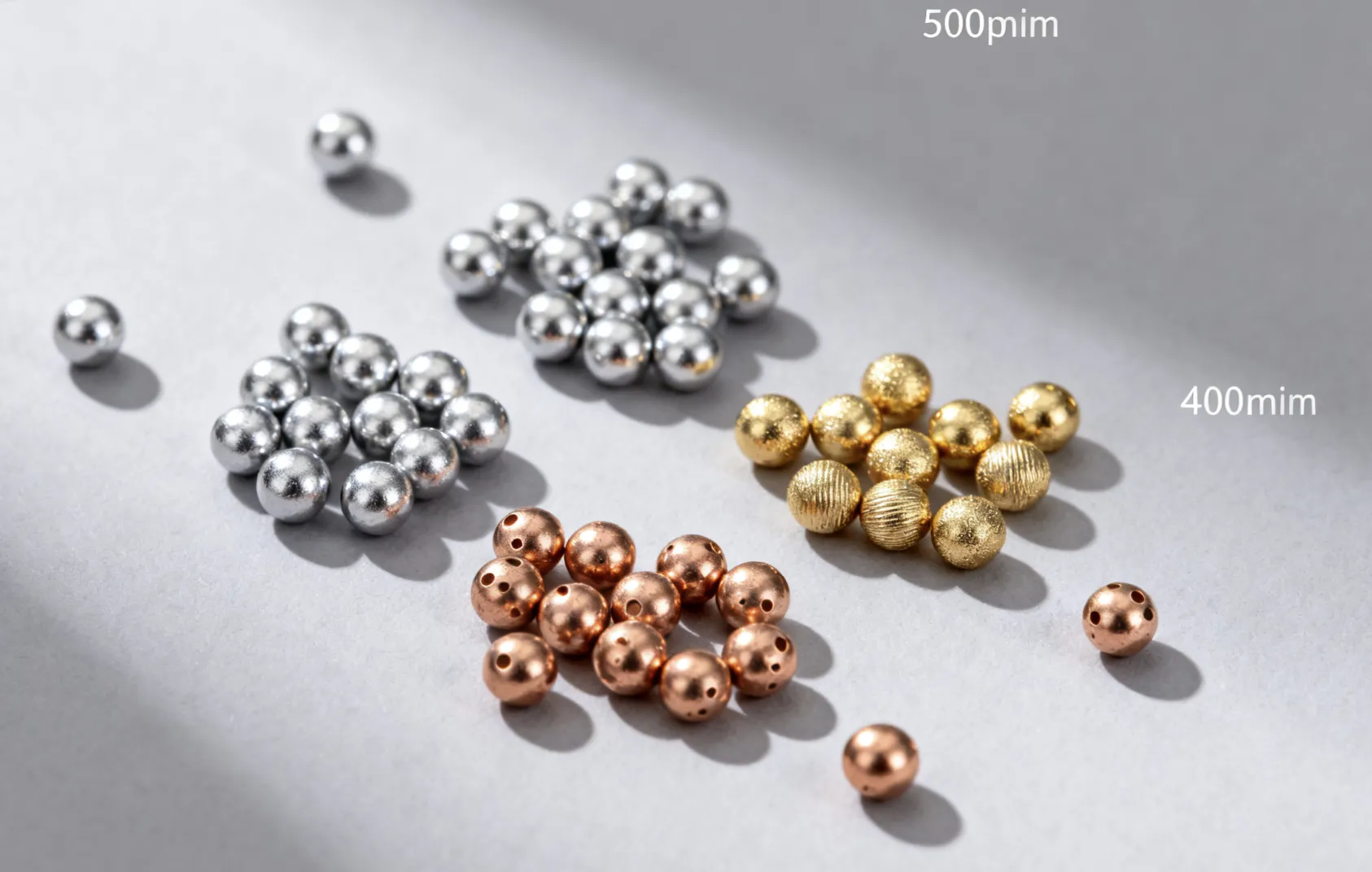


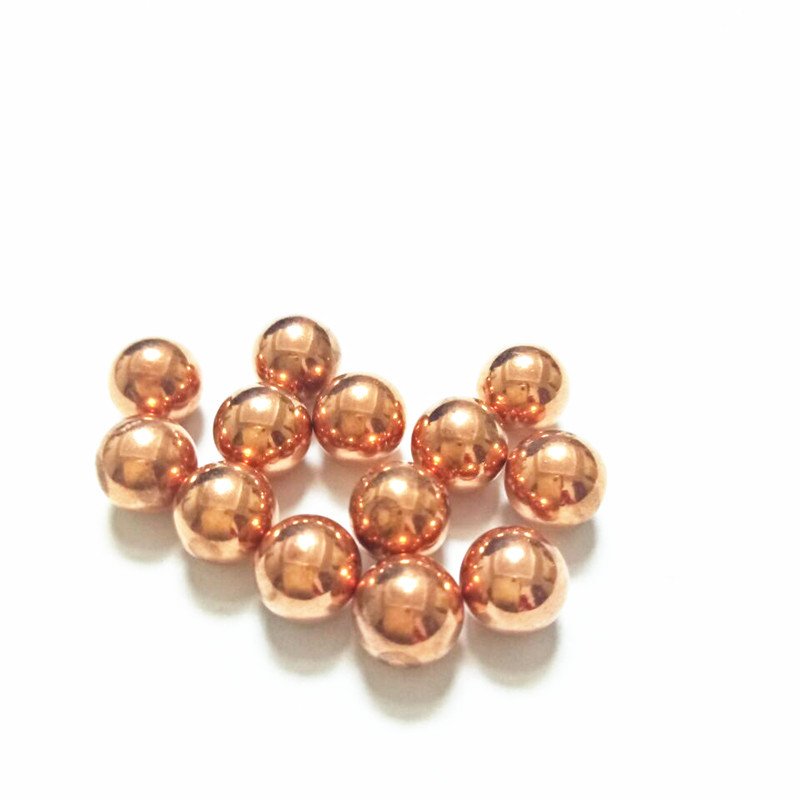
Copper core balls are copper powder spheres with excellent electrical and thermal conductivity. In soldering, they serve the following purposes:
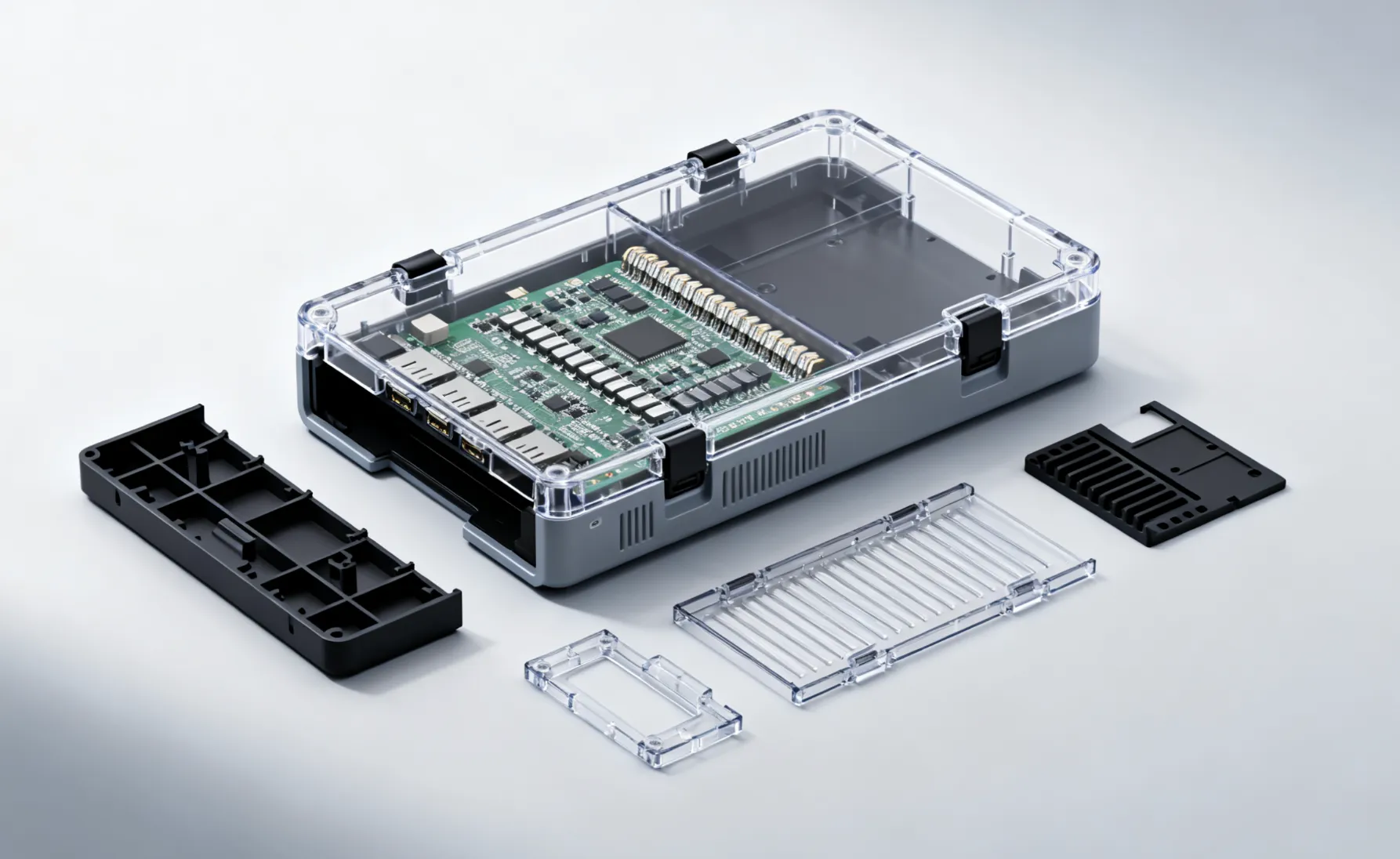
1. Electronic Component Soldering: Copper core balls can be used for surface soldering of electronic components. By placing the balls against the component and applying appropriate heat, they rapidly fuse with the component surface, creating a reliable soldered connection.
2. Circuit Board Welding: Copper core balls serve as welding material for circuit boards. Spread the balls over the target area, then apply heat to rapidly melt them and form weld points with the board surface, completing the circuit board assembly.
3. Metal Pipe Joining: Copper core balls facilitate metal pipe connections. Position copper core balls at pipe joints, then heat them using a flame or other heating tools. This melts the balls, forming welded points with the pipe surfaces to achieve pipe connection and sealing.
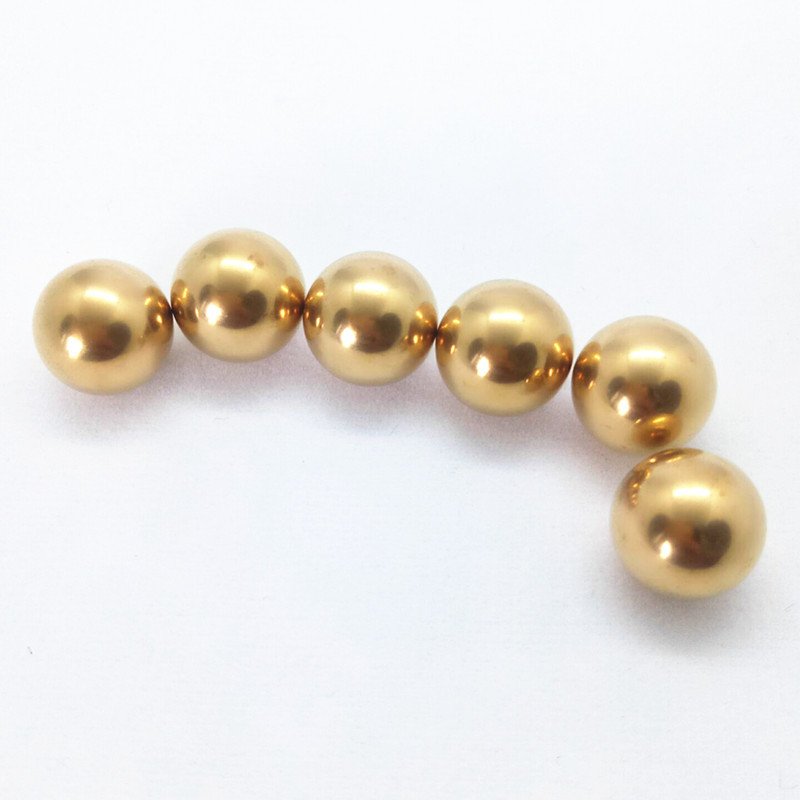
4. Metal Component Repair: Copper core balls can also repair metal components. By placing them on damaged parts and applying appropriate heat, the balls rapidly melt and fuse with the metal surface, restoring the damaged component.
In summary, copper core balls have extensive applications in welding, including electronic component soldering, circuit board assembly, metal pipe connections, and metal component repairs. Their excellent electrical conductivity and thermal properties enable rapid fusion with other metal surfaces during welding, forming strong, durable bonds.
Differences Between Ball Welding and Wedge Welding Joints
I. Basic Concepts of Ball Welding and Wedge Welding
Ball welding and wedge welding are common metal joining methods primarily used to connect materials like iron, copper, and aluminum.
Ball welding involves melting the filler rod into a spherical shape under an electric arc. The molten metal is then cooled and solidified together with the base metal, forming a spherical weld point.
Wedge welding involves heating the filler metal at the weld site until it melts. After softening the interface between two metal plates through heating, a welding machine or tool is used to plastically deform the plates into a wedge shape. Molten filler metal is then introduced into the gap, cooled, and solidified to form the weld joint.

II. Differences Between Ball Welding and Wedge Welding Joints
The primary distinction between these two joint types lies in their shapes: ball welds form spherical spheres, while wedge welds create wedge-shaped structures. Ball welds have a diameter of approximately 3-4mm and a height of about 1-2mm. They feature a smooth surface and provide a strong connection, making them suitable for joining dissimilar metals such as copper and iron, or copper and aluminum. Wedge welds resemble a wedge shape, with a height of approximately 1-2mm and a width equal to the width of the welded area. The surface may appear less smooth after welding, and the connection tends to be relatively loose.
III. Application Scenarios and Welding Effects of Ball Welding and Wedge Welding
Ball welding is suitable for joining low-strength materials, such as connecting fine metals like copper wire and iron wire. Wedge welding is suitable for connecting thicker metal materials, such as pipes, doors and windows, bridges, and other structures, with wedge-shaped welded steel structures being the most common application. Wedge welds produce a relatively rigid joint with high load-bearing capacity, maintaining stability under vibration and shear forces. In contrast, ball welds form relatively weaker joints that cannot withstand significant tensile or compressive forces, yet they offer irreplaceable advantages in connecting soft metals.
In summary, both ball welding and wedge welding are common metal joining techniques. Understanding their differences and appropriate applications helps you select the most suitable welding method to ensure quality and effectiveness.
Luoyang Qiancai Industrial provides high-purity copper core solder balls, ensuring that the solder balls meet the precision requirements you need.