Key Specifications
| Item | Options / Range |
|---|---|
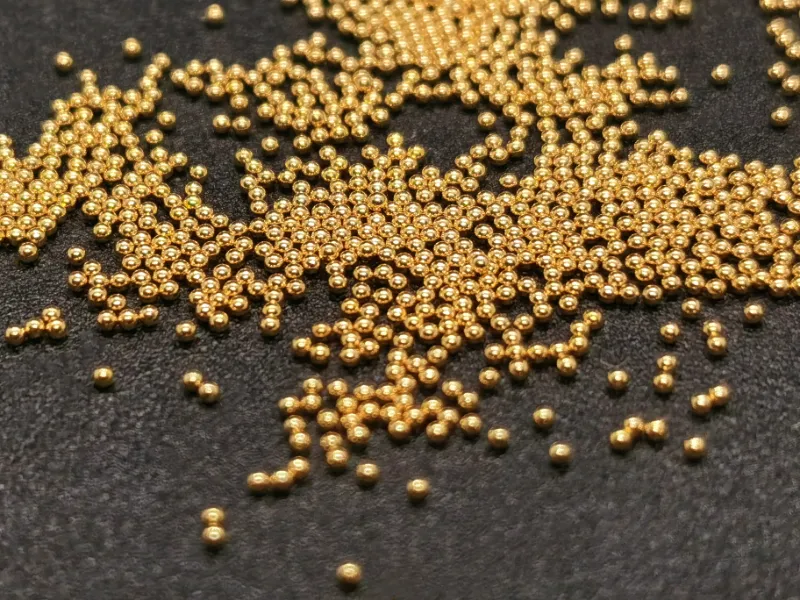
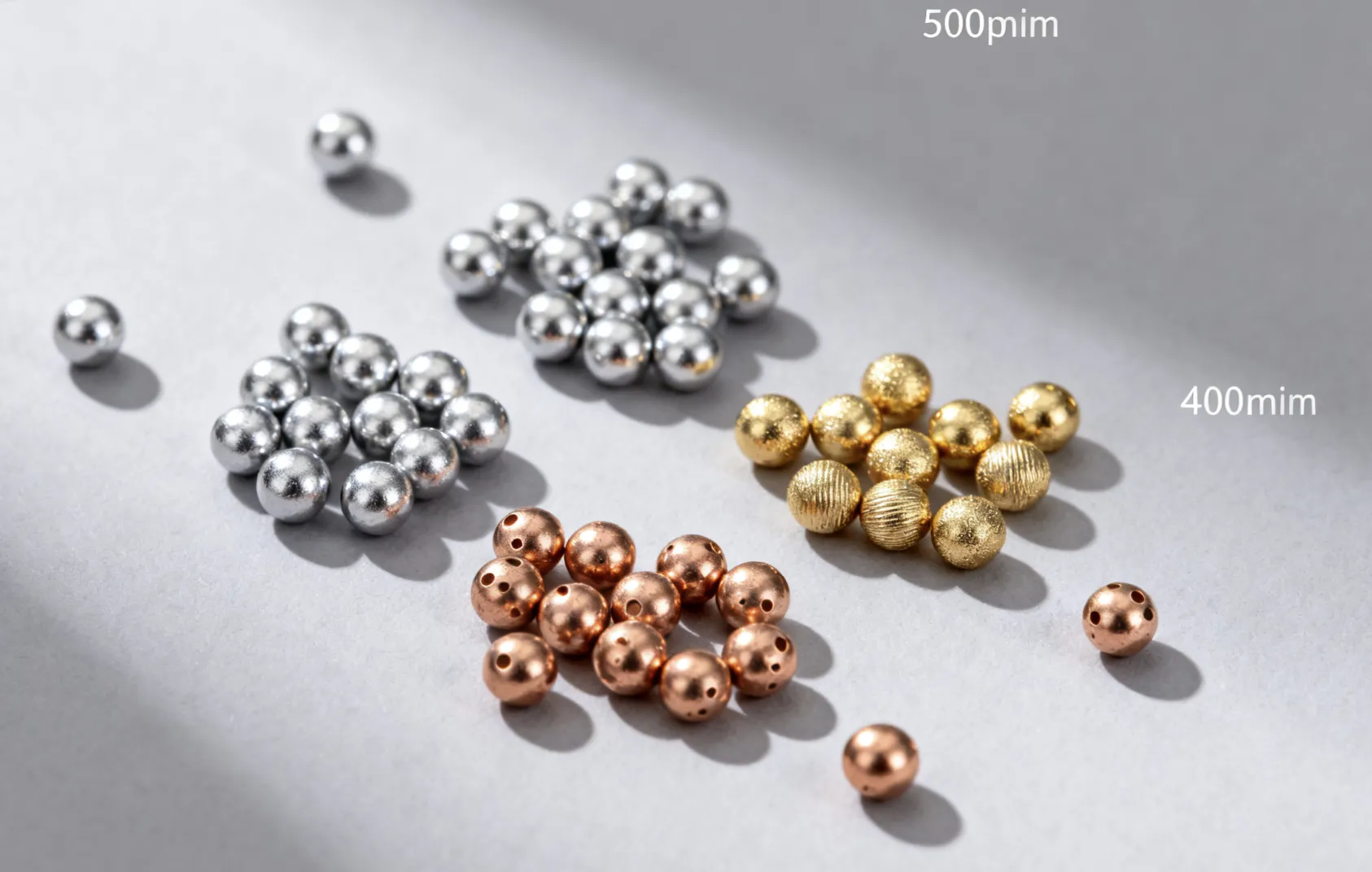
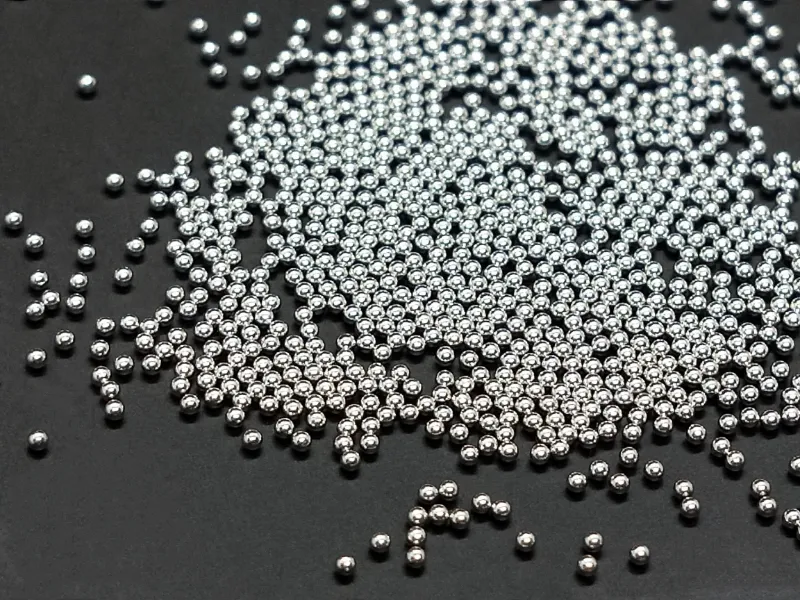
| Product | BGA Solder Balls (Solder Spheres) |
| Alloys (Typical) | SAC305 (Sn96.5/Ag3.0/Cu0.5), SAC405, Sn63Pb37, Sn62Pb36Ag2 (custom alloys available) |
| Ball Diameter | 0.20–0.76 mm (other sizes on request) |
| Diameter Tolerance | Tight tolerance available (project-based) |
| Sphericity / Roundness | High sphericity for stable placement |
| Surface Condition | Low-oxide, clean surface finish |
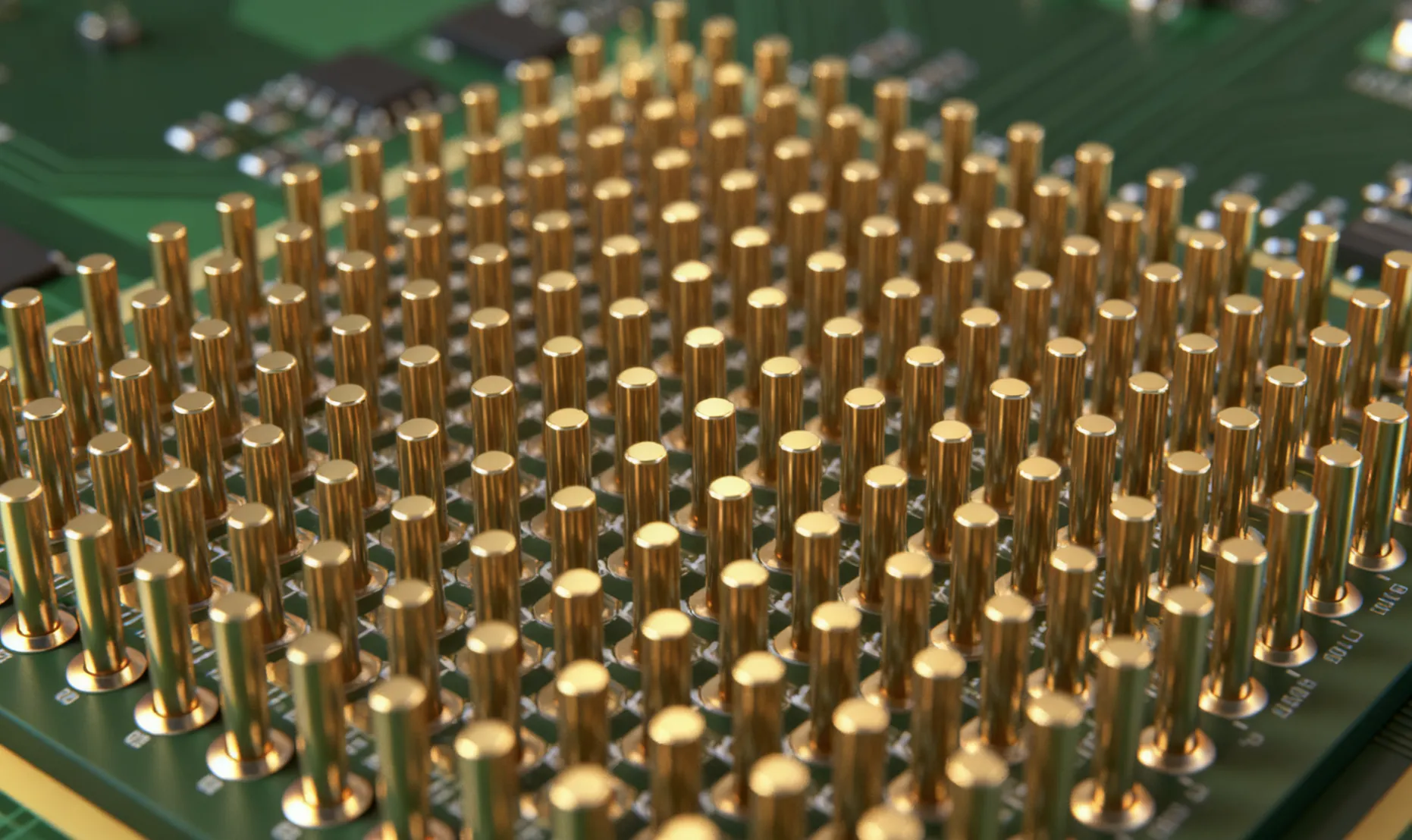
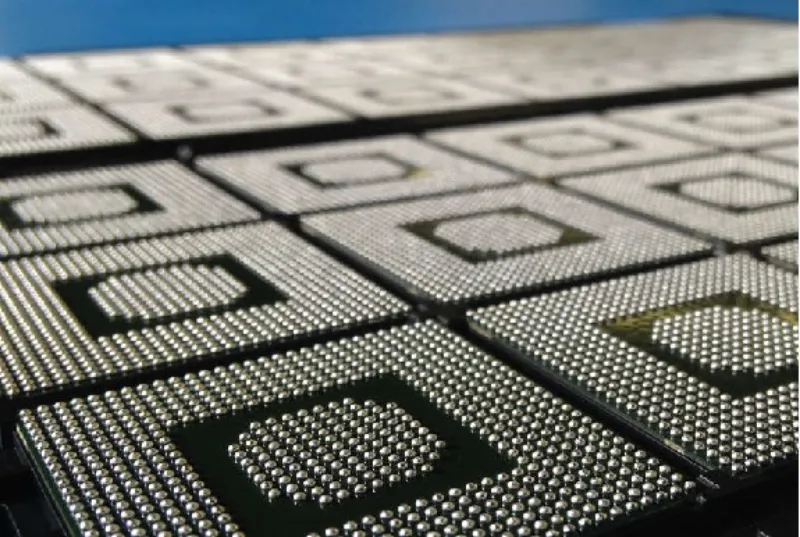
| Applications | BGA reballing, chip repair, SMT assembly, bumping processes |
| Packaging | Vial / jar / vacuum / anti-static packing; custom label & quantity |
| Storage | Sealed, dry, cool environment to limit oxidation |
Product Features & Advantages
- Consistent ball geometry
High sphericity and stable diameter distribution support accurate placement and uniform solder volume. - Stable alloy composition
Controlled chemistry helps achieve predictable melting behavior and reliable joint formation. - Low oxidation surface
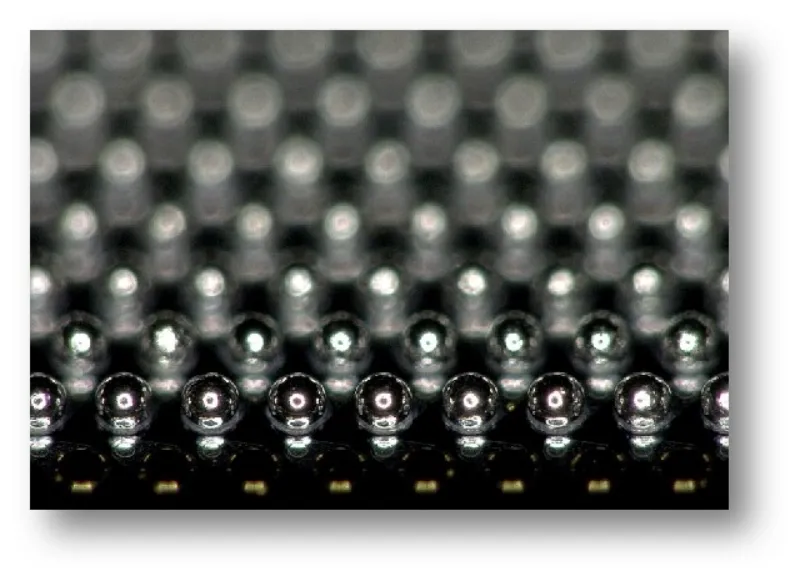
Clean surface condition improves wetting during reflow and reduces risk of weak joints. - Fine-pitch ready
Suitable for dense layouts and small ball sizes commonly used in modern mobile, computing, and IoT assemblies. - Process compatibility
Works with common reballing tools, stencils, flux systems, and standard reflow profiles.
Typical Applications
- BGA reballing & rework for IC repair centers and EMS factories
- CSP / WLCSP device repair and refurbishment
- Prototype labs needing small-batch, multi-size inventory
- High-density SMT assembly where consistent solder volume improves yield
- Automotive / industrial electronics requiring stable solder joints and repeatable processes
Selection Guide (Helps Buyers Choose Faster)
1) Choose alloy by compliance & reliability target
- Lead-free (e.g., SAC305): common for RoHS projects
- Lead-containing (e.g., Sn63Pb37): often used for repair/rework when compatible with the original assembly or process needs
2) Choose ball size by package pitch and pad design
- Fine-pitch packages require smaller balls and tighter tolerance to avoid bridging and misalignment.
- If you’re unsure, send your BGA pitch + pad size and we’ll recommend a practical ball diameter.
3) Consider oxidation control for storage and shipping
- For long transit or humid climates, choose sealed / vacuum packing and request short lead time from production.
Customization Options
We can customize BGA solder balls for your production and repair workflow:
- Diameter & tolerance (tight control for fine-pitch and high-yield lines)
- Alloy formulation (lead-free / leaded / special alloy requests)
- Packaging (vials, vacuum, anti-static, moisture protection, OEM labeling)
- Documentation (COA, alloy composition, lot traceability; optional compliance files)
Quality Control & Service
To support stable purchasing and production verification, we can provide:
- Incoming material control & alloy verification (lot-based)
- Size distribution and appearance inspection
- Lot traceability for repeat orders and audit needs
- Pre-shipment inspection records upon request
- Support for trial orders to validate your stencil/flux/reflow setup
Ordering Information
To quote quickly and accurately, please share:
- Alloy (SAC305 / Sn63Pb37 / other)
- Ball diameter (mm) and any tolerance requirement
- Quantity (trial / monthly demand)
- Application (reballing, repair center, SMT line, bumping)
- Destination and preferred shipping method
- Any special needs: vacuum packing, COA, compliance docs, private label
Tip: If you can send the BGA’s pitch + package model (or a photo of the stencil/reballing fixture), we’ll recommend the best-fit size and packing.
FAQ
1) What is the most common lead-free alloy for BGA solder balls?
SAC305 is one of the most widely used lead-free choices for BGA reballing and SMT assembly.
2) Can I use Sn63Pb37 solder balls for reballing?
Yes—Sn63Pb37 is commonly used in repair/rework when it matches the process needs and compatibility requirements of the original assembly.
3) How do I choose the correct solder ball diameter?
It depends on BGA pitch, pad design, and stencil/reballing fixture. Share your pitch/pad info and we’ll recommend a suitable size.
4) Do you support very small sizes for fine-pitch packages?
Yes. We can supply small diameters for fine-pitch reballing and provide size distribution control options.
5) What packaging do you offer?
Common options include vials/jars, anti-static packing, sealed packing, and vacuum packing. We can also do custom labeling.
6) How should BGA solder balls be stored?
Keep them sealed, dry, and cool. Avoid frequent opening in humid environments to minimize oxidation.
7) Can you provide COA and lot traceability?
Yes. COA and lot tracking can be provided per shipment/lot as required.
8) Are these suitable for both reballing and new SMT assembly?
Yes. They’re used in both rework/reballing and controlled solder sphere processes depending on your workflow.
9) What causes poor wetting during reflow?
Common causes include oxidation, improper flux selection, or reflow profile mismatch. Choosing low-oxide balls and matching flux/profile typically helps.
10) Can you do trial orders before bulk purchase?
Yes—trial orders are recommended to confirm compatibility with your stencil, flux, and reflow settings.