How to Choose High-Reliability BGA Solder Balls for Multi-Reflow Soldering: 5 Common Failures & Solutions
In advanced semiconductor packaging and surface mount technology (SMT) assembly, Ball Grid Array (BGA) components are increasingly subjected to multiple reflow cycles. This is common in complex assemblies involving stacked dies, multi-chip modules (MCM), or double-sided boards, where components may undergo 3–7 reflows or more.
Unfortunately, repeated exposure to high temperatures often leads to solder joint failures such as cracking, voiding, head-in-pillow (HIP) defects, non-wetting, and ball drop-off. These issues can drastically reduce yield rates and long-term reliability, especially in high-stakes applications like automotive electronics, aerospace, and 5G infrastructure.
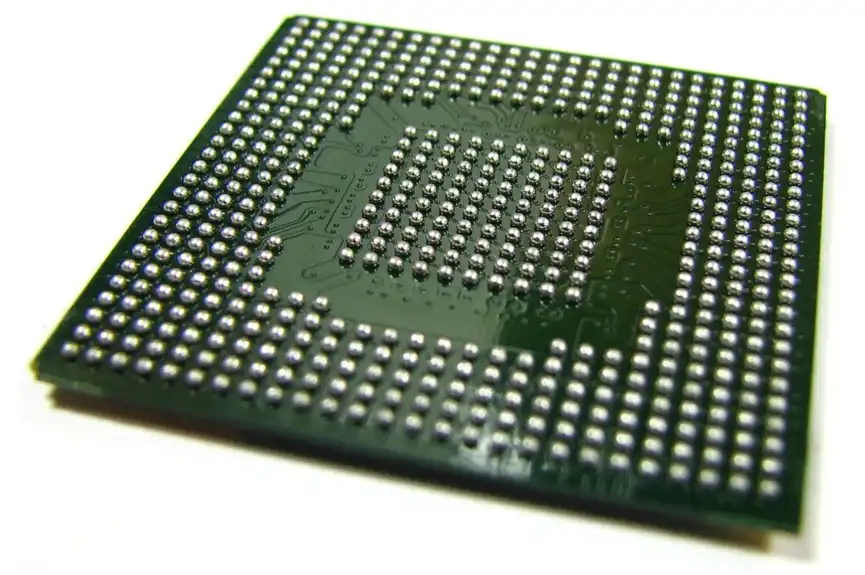
This article breaks down the five most common causes of multi-reflow soldering failures in BGA solder balls, explains the underlying mechanisms, and provides practical selection criteria and solutions to achieve superior joint reliability.
1. Excessive Surface Oxidation of Solder Balls
Cause: Prolonged exposure to air, humidity, or improper storage allows an oxide layer to form on the solder ball surface. During multiple reflows, this oxide thickens, preventing proper wetting and coalescence with the solder paste. This is a leading contributor to head-in-pillow defects and weak joints.
Impact: Reduced solderability, increased voids, and brittle interfaces that fail under thermal cycling.
Solution when selecting solder balls:
- Choose suppliers with advanced anti-oxidation coatings and nitrogen-protected packaging.
- Prioritize balls with strictly controlled surface oxide thickness (typically <10 nm).
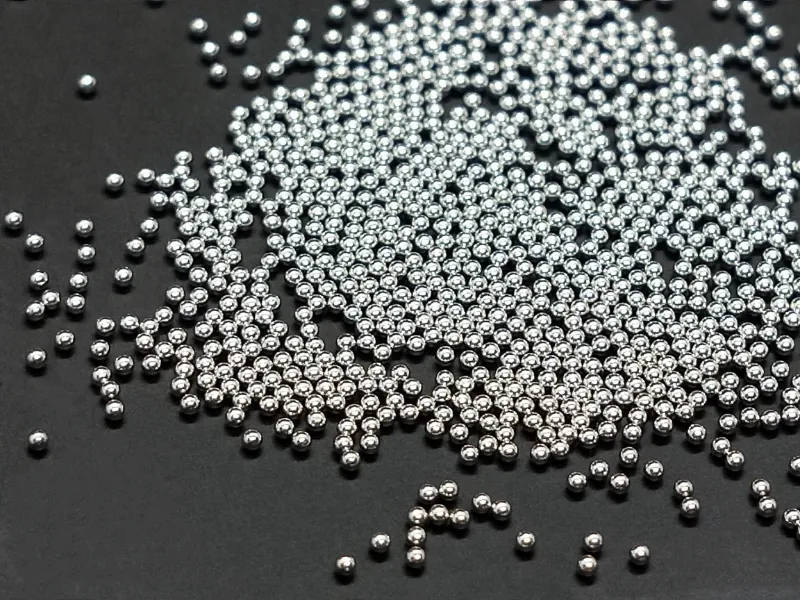
- Opt for precision spheres stored in vacuum or inert gas environments to maintain freshness even after extended shelf life.
2. Inconsistent Size Tolerance and Sphericity
Cause: Variations in solder ball diameter (even ±10–20 μm) lead to uneven stand-off heights. In multi-reflow processes, thermal expansion mismatches exacerbate this, causing tilting, partial collapse, or stress concentration at corners.
Impact: Higher risk of open joints, cracking during cooling, and warpage-induced failures.
Solution when selecting solder balls:
- Demand tight diameter tolerances (e.g., ±5 μm or better) and high sphericity (>99%).
- Verify supplier data sheets for lot-to-lot consistency, ideally backed by automated optical inspection (AOI) during manufacturing.
3. Poor Alloy Composition Match for Multi-Reflow Thermal Stress
Cause: Standard SAC (Sn-Ag-Cu) alloys can suffer intermetallic compound (IMC) growth and kirkendall voiding after repeated high-temperature excursions. Low-silver alloys may sag, while mismatched melting points cause incomplete reflow.
Impact: Fatigue cracking, reduced shear strength, and premature failure in temperature cycling tests.
Solution when selecting solder balls:
- Select alloys optimized for multi-reflow, such as doped SAC variants with enhanced creep resistance.
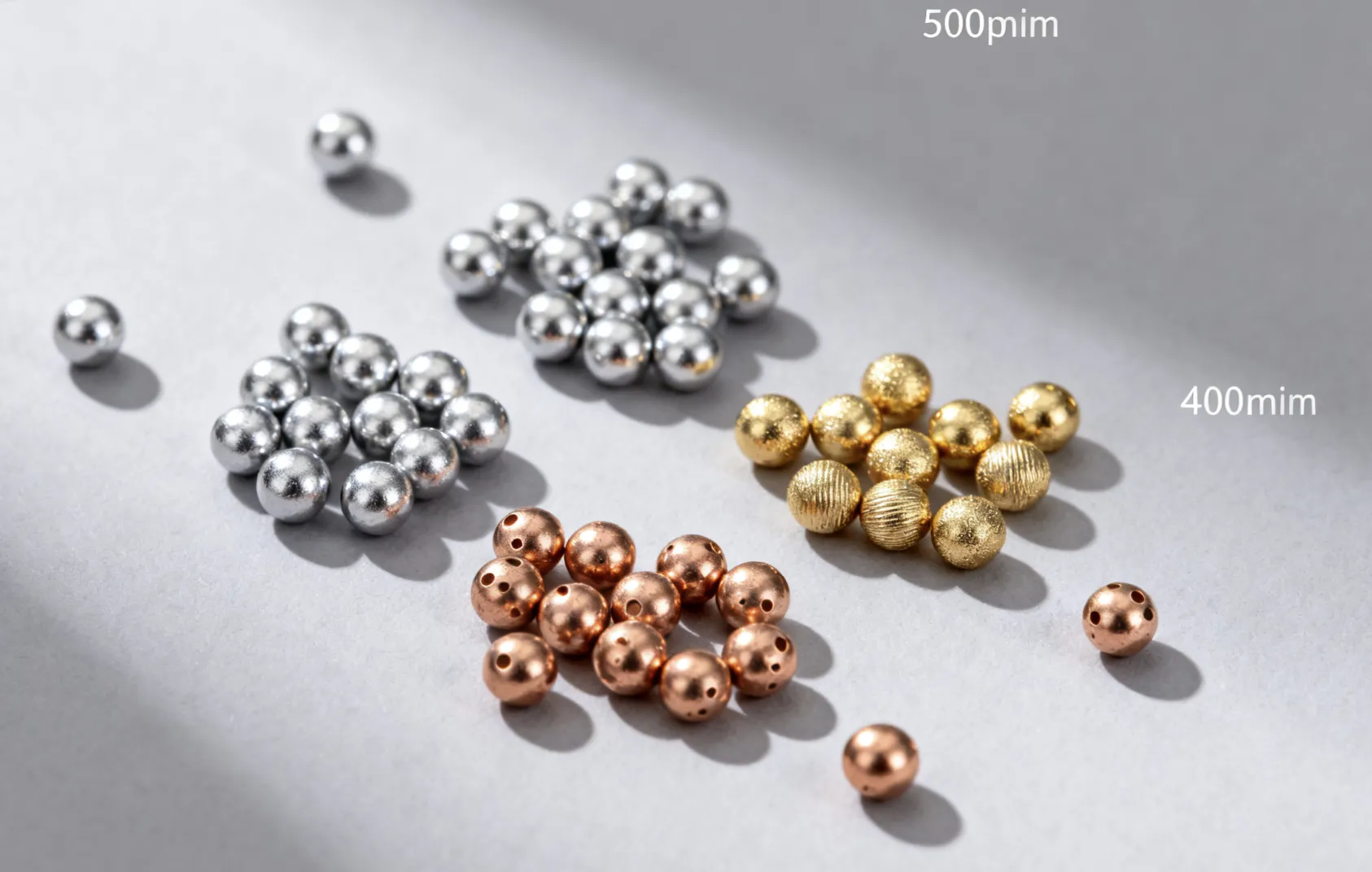
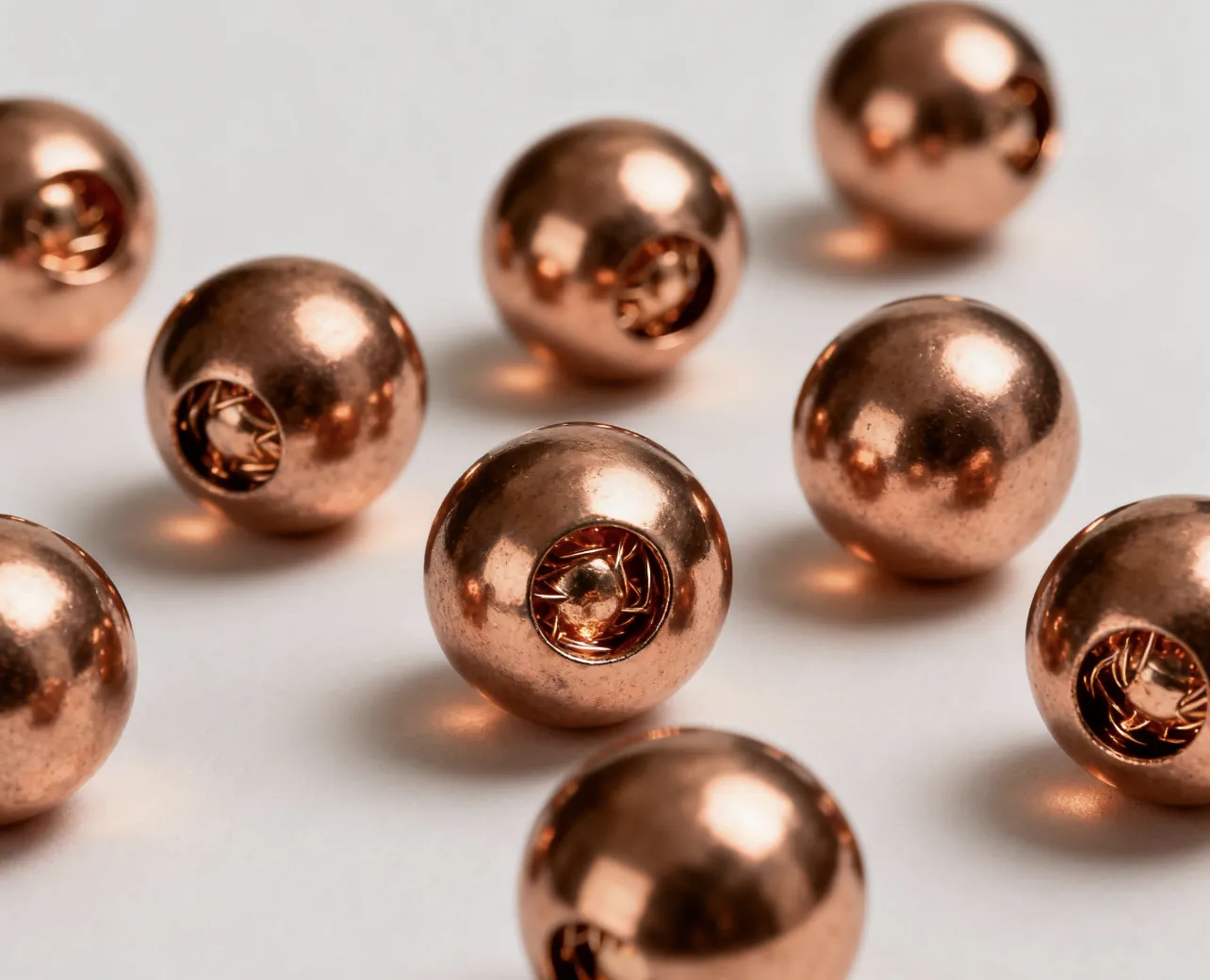
- For ultra-high reliability, consider copper-core solder balls, which maintain stable stand-off height and superior mechanical support across multiple cycles.
4. Insufficient Mechanical Strength for Thermal Fatigue
Cause: Traditional solder balls deform or collapse under repeated thermal expansion/contraction, especially in large BGAs or high-CTE mismatch scenarios.
Impact: Joint cracking, especially at package corners, and reduced lifespan in accelerated life testing.
Solution when selecting solder balls:
- Evaluate drop-test and thermal cycle data from the supplier.
- Copper-core variants excel here, providing rigid internal support that prevents collapse while absorbing stress—ideal for aerospace and automotive applications requiring 2000+ cycles.
5. Inadequate Control of Voids and Impurities
Cause: Trapped flux residues, outgassing, or impure alloys create internal voids that grow during subsequent reflows, acting as stress concentrators.
Impact: Lower thermal/electrical conductivity and higher failure rates under vibration or shock.
Solution when selecting solder balls:
- Require high-purity alloys (>99.99%) and void-free certification via X-ray or acoustic microscopy.
- Partner with suppliers offering full material characterization reports.
Key Selection Criteria for High-Reliability BGA Solder Balls
To dramatically improve multi-reflow yield and long-term reliability:
- Tight dimensional control and low oxidation
- Customizable alloys tailored to your reflow profile
- Proven performance data from thermal cycling, drop tests, and failure analysis
- Advanced options like copper-core balls for stable height and enhanced fatigue resistance
- Comprehensive technical support, including on-site process optimization
At BGA Sphere, we specialize in precision BGA solder balls and copper-core solder balls designed specifically for multi-reflow and high-reliability applications. Our products feature industry-leading oxidation control, ultra-tight tolerances, and customizable specifications to help you achieve near-zero defect rates.
Ready to eliminate multi-reflow failures and boost your packaging yield?
Contact our technical team today for free sample evaluation, customized alloy recommendations, or a detailed reliability consultation. We're here to support your next-generation semiconductor assembly projects.