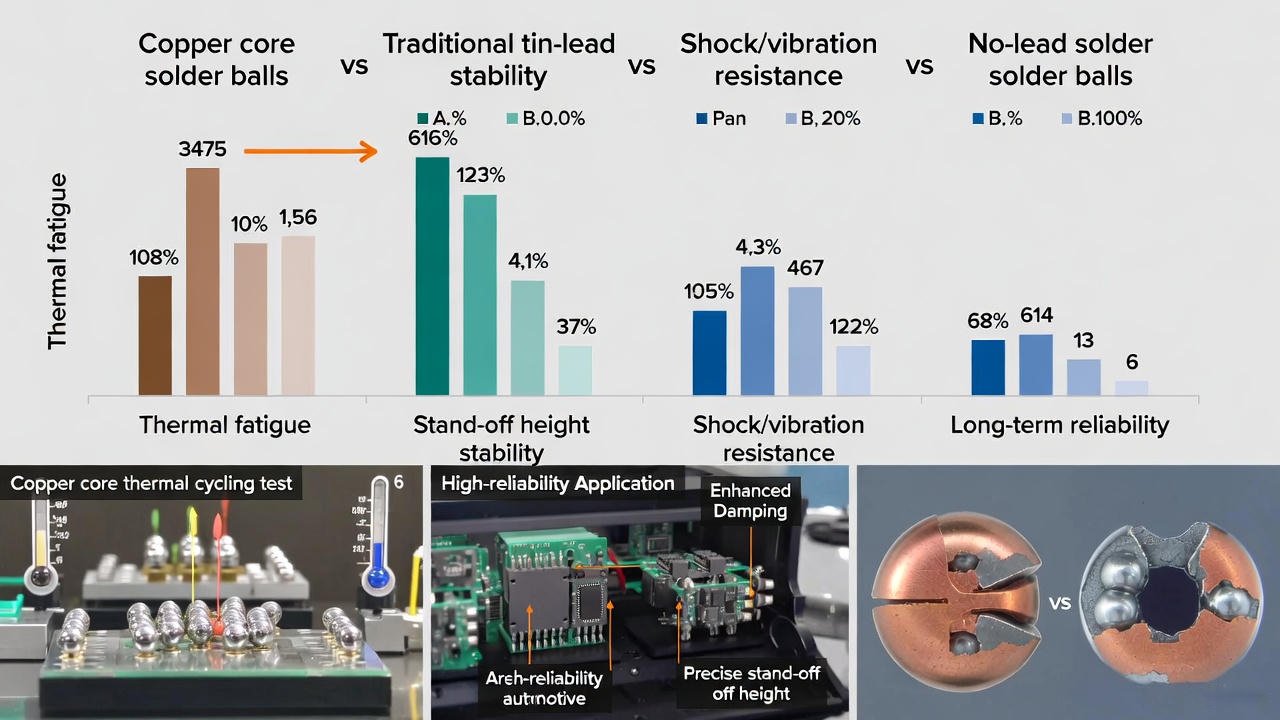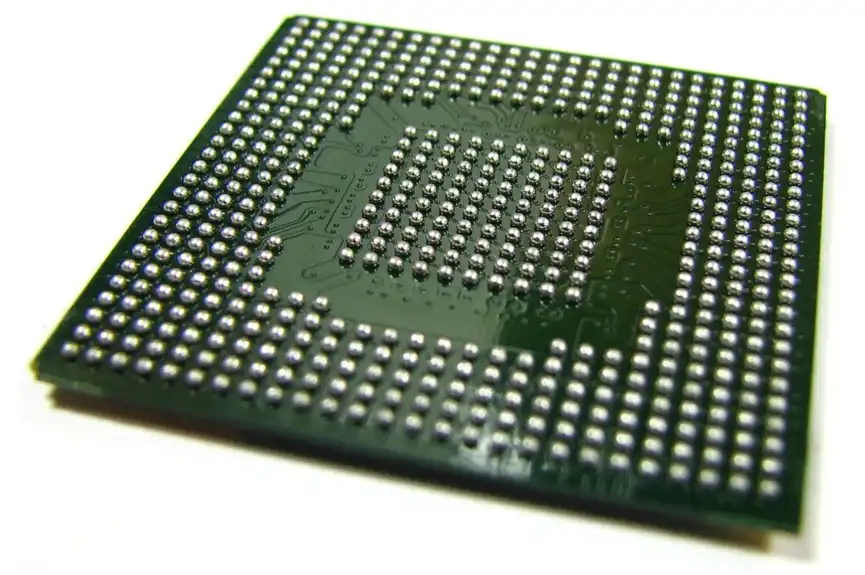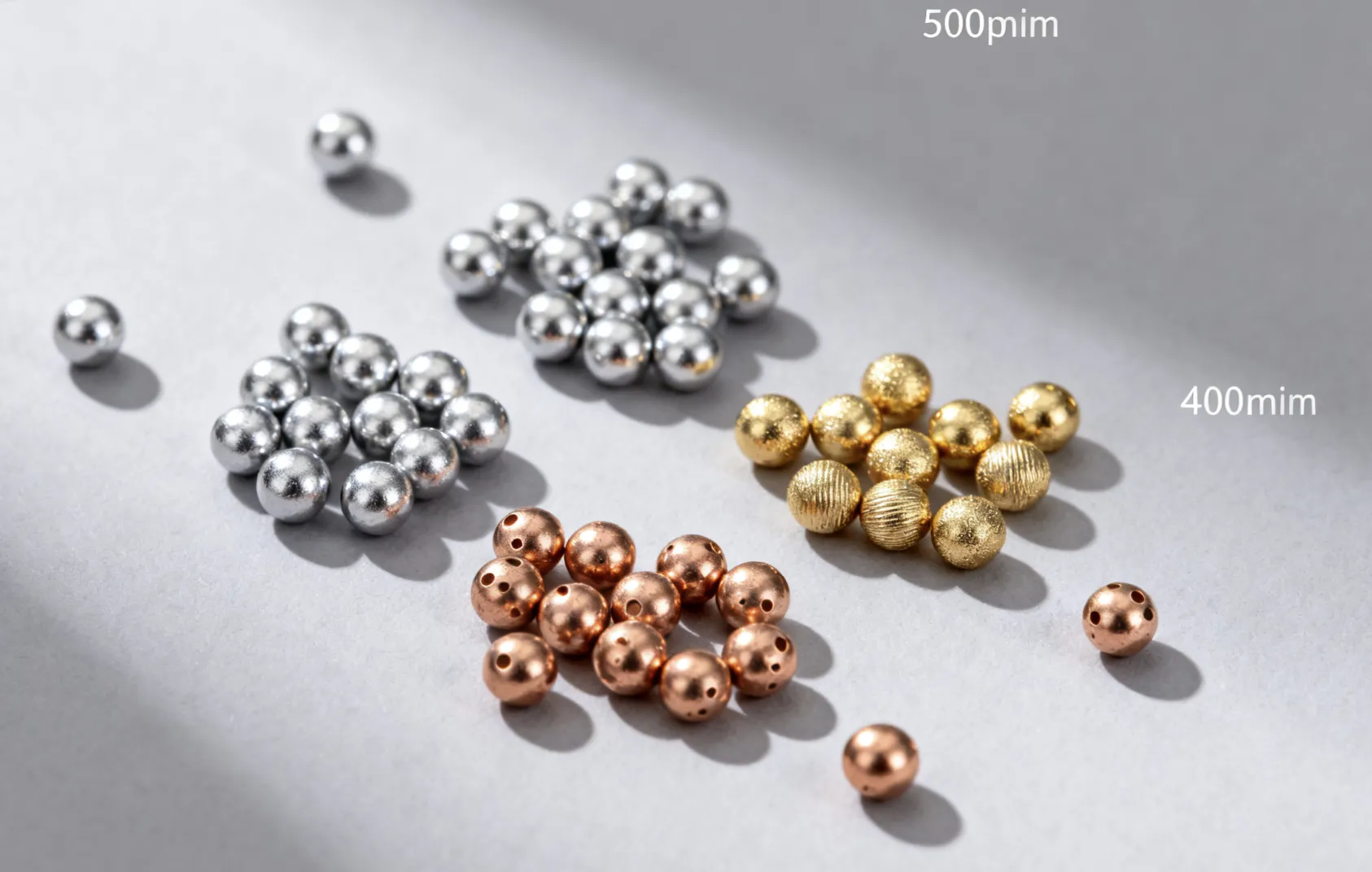


In high-reliability microelectronics, the CCGA (Ceramic Column Grid Array) package remains the gold standard for aerospace and defense applications. At the heart of this reliability lies a sophisticated interconnect: the Copper Strip Wound Helical Column.
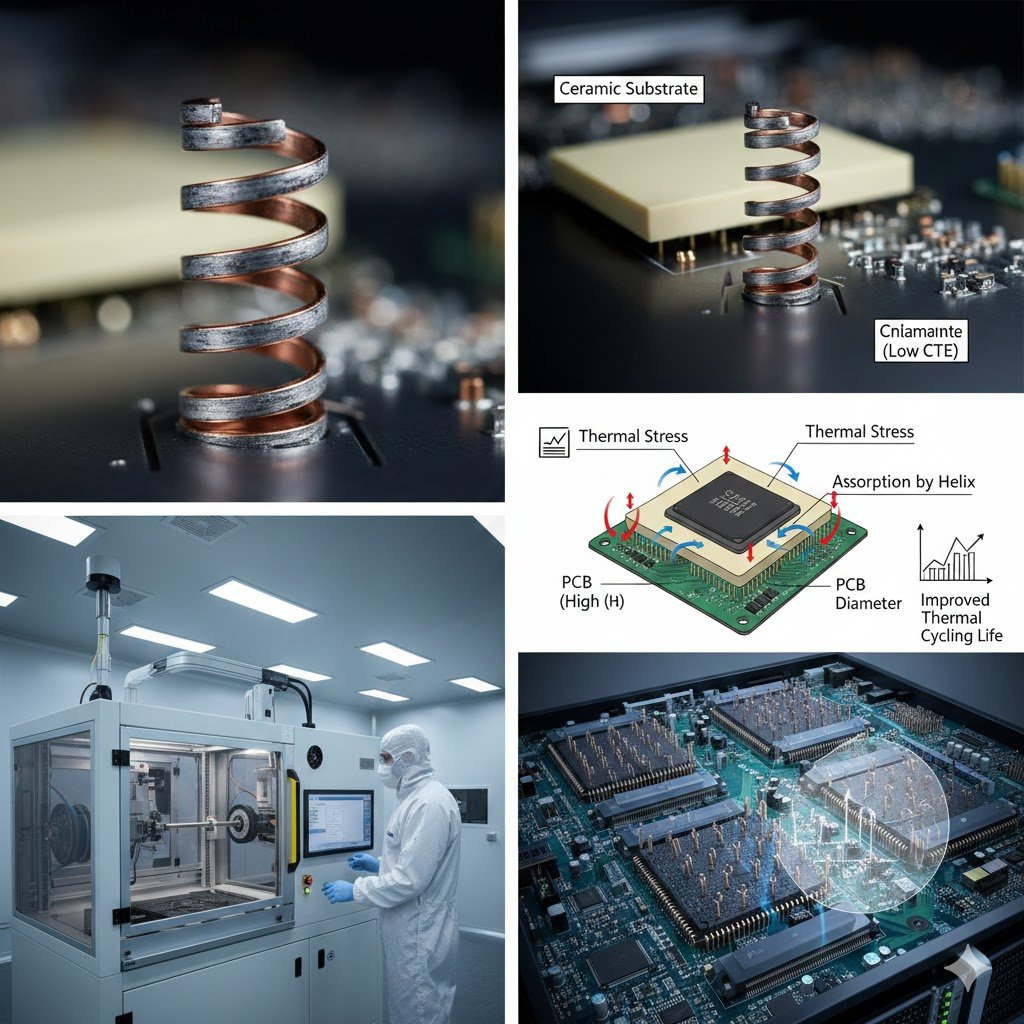
The Engineering Behind the Helix
Unlike standard solid solder columns, the helical column is a masterpiece of precision micro-manufacturing. It is constructed by winding a high-purity copper strip around a temporary mandrel, which is then coated with high-temperature solder (typically Sn10Pb90).
The manufacturing process demands extreme control over three critical variables:
- Pitch Consistency: Ensuring the gap between each winding is identical to maintain uniform flexibility.
- Diameter Tolerance: Achieving micron-level precision to ensure seamless automated alignment during the Shifting process.
- Alloy Homogeneity: Guaranteeing the solder coating provides a robust metallurgical bond without compromising the core's spring-like properties.
Why Helical Architecture?
The "Spring Effect" of the wound copper strip is the primary defense against CTE (Coefficient of Thermal Expansion) Mismatch. In harsh environments, the ceramic substrate and the PCB expand and contract at different rates.
- Stress Absorption: The helical structure acts as a miniature shock absorber, flexing under thermal stress.
- Fatigue Resistance: By distributing mechanical strain along the spiral path, it effectively prevents solder joint cracking—the leading cause of failure in solid-core interconnects.
- Thermal Management: The copper core provides a superior thermal path, essential for high-power processors operating in vacuum or high-altitude conditions.
Leading the Supply Chain
As a dedicated manufacturer, we specialize in the precision winding and finishing of Copper Helical Columns. By controlling the entire production cycle—from copper strip selection to final quality inspection—we provide the reliability that mission-critical electronics demand.