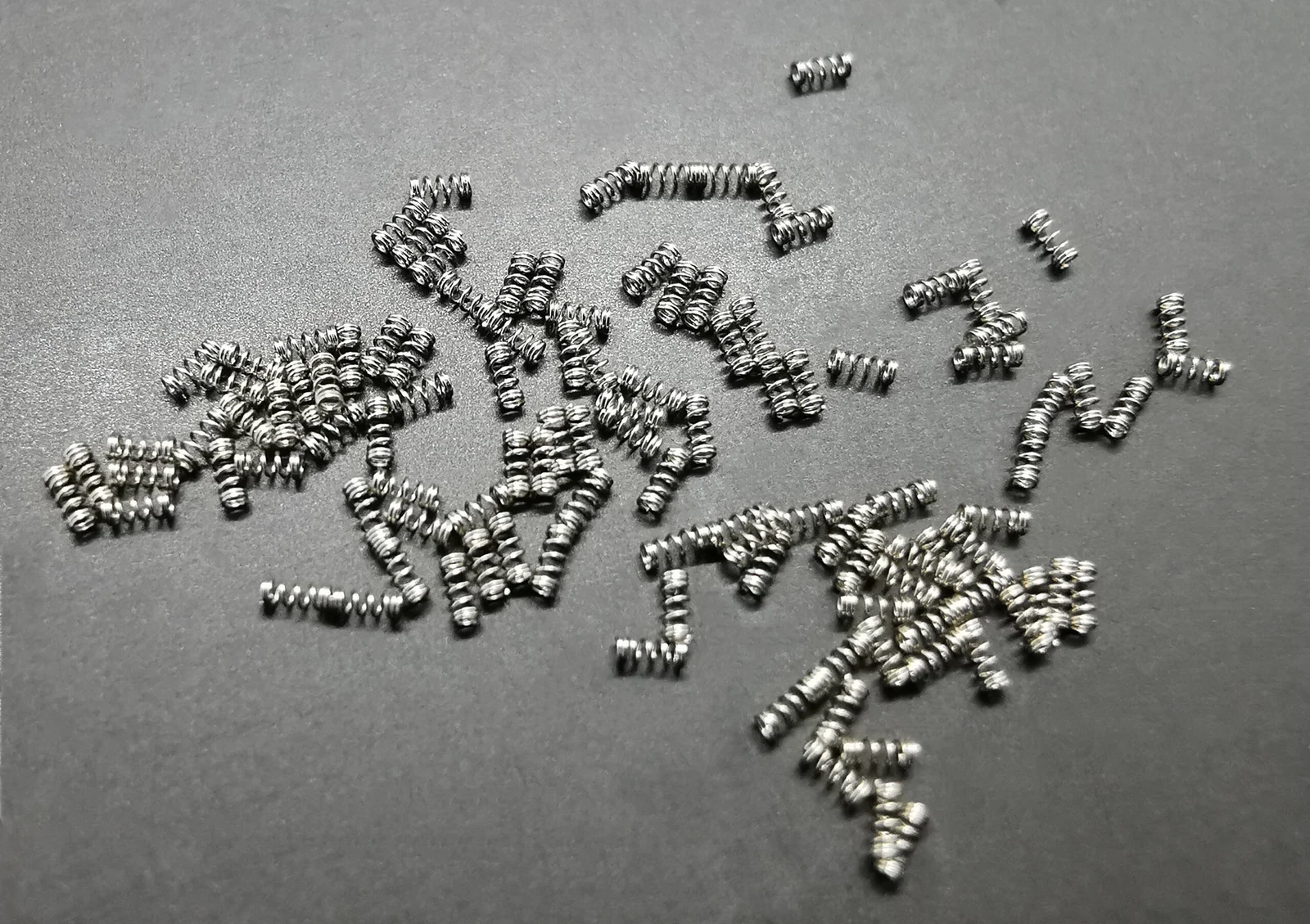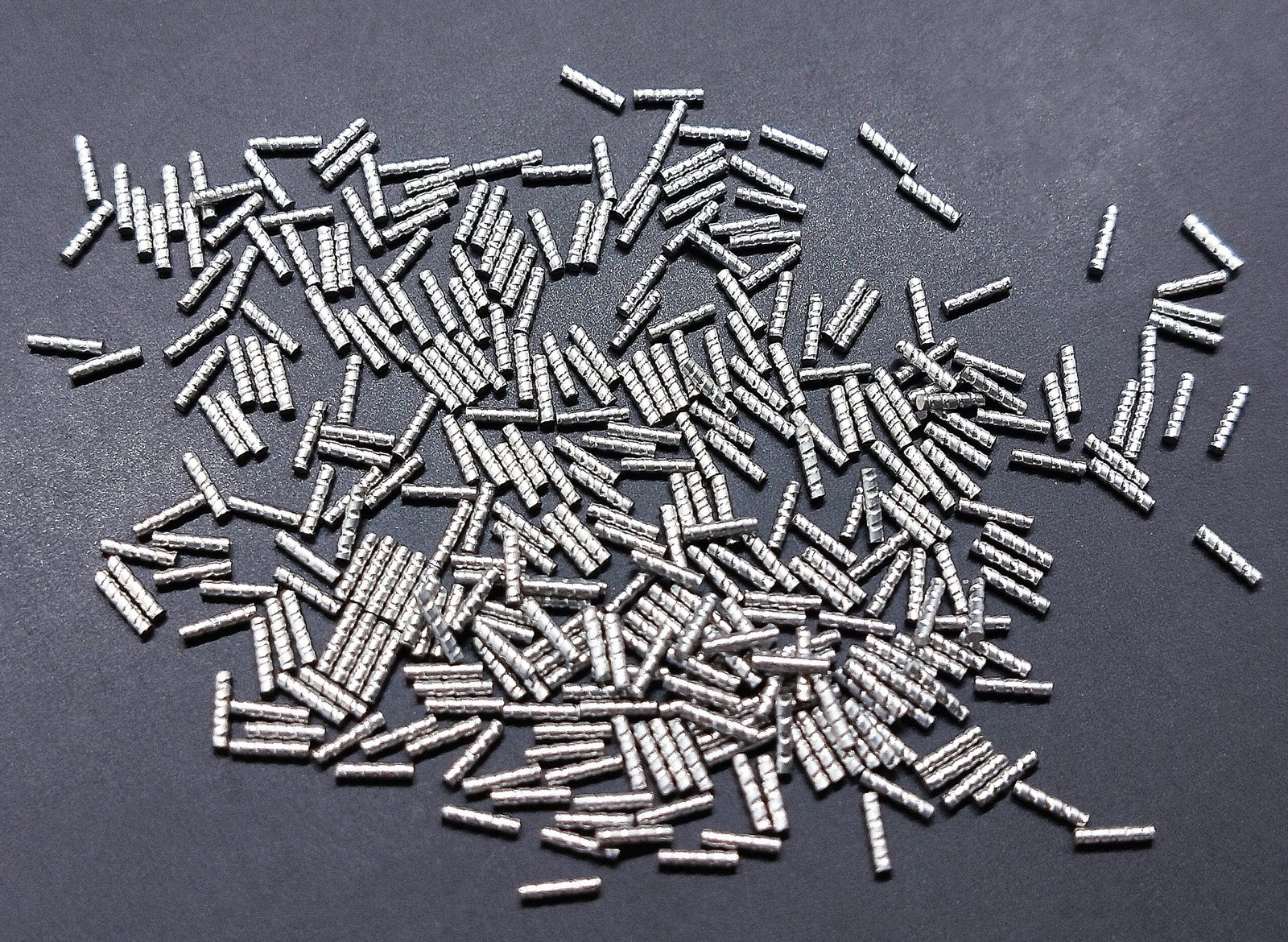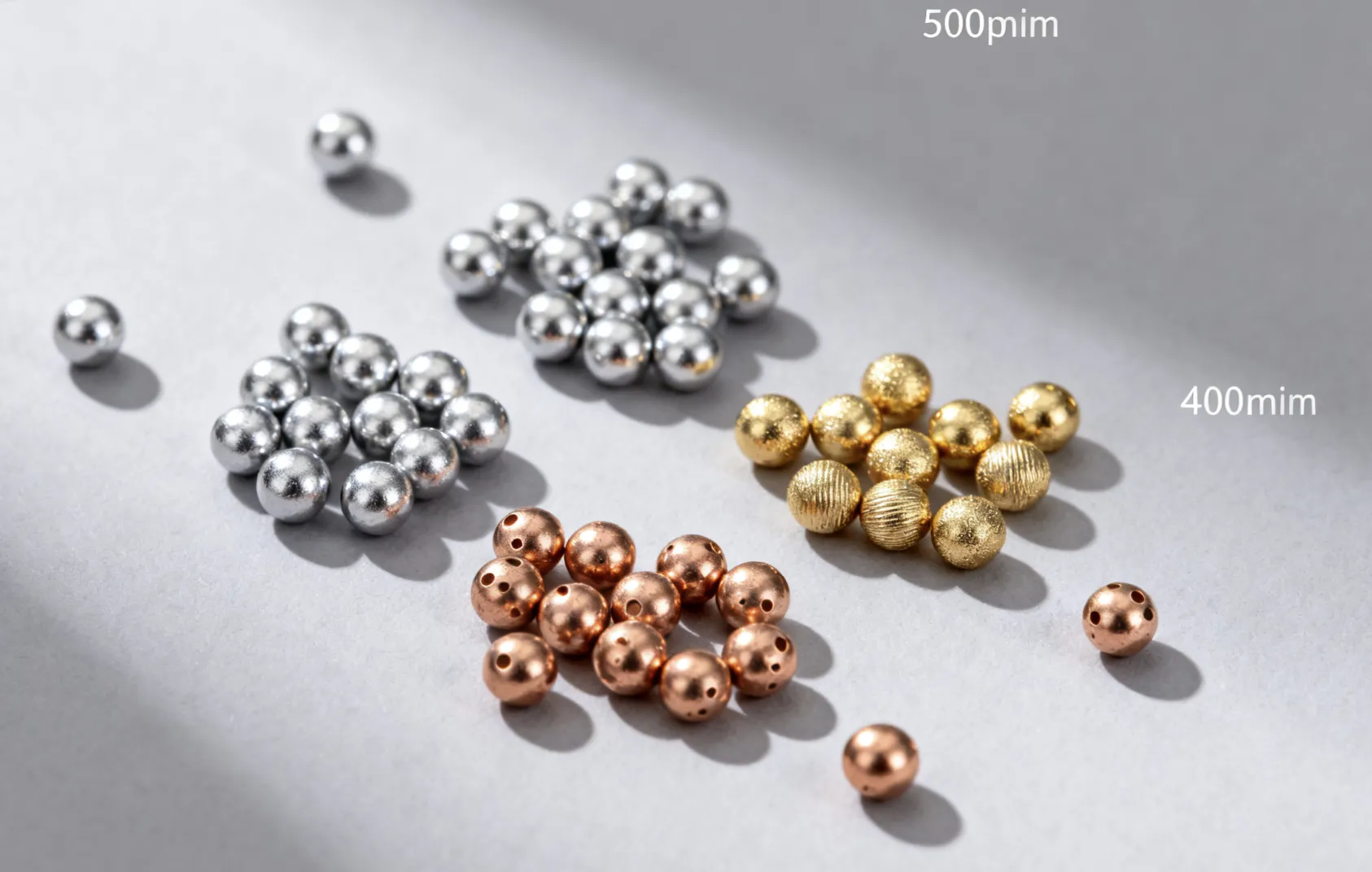
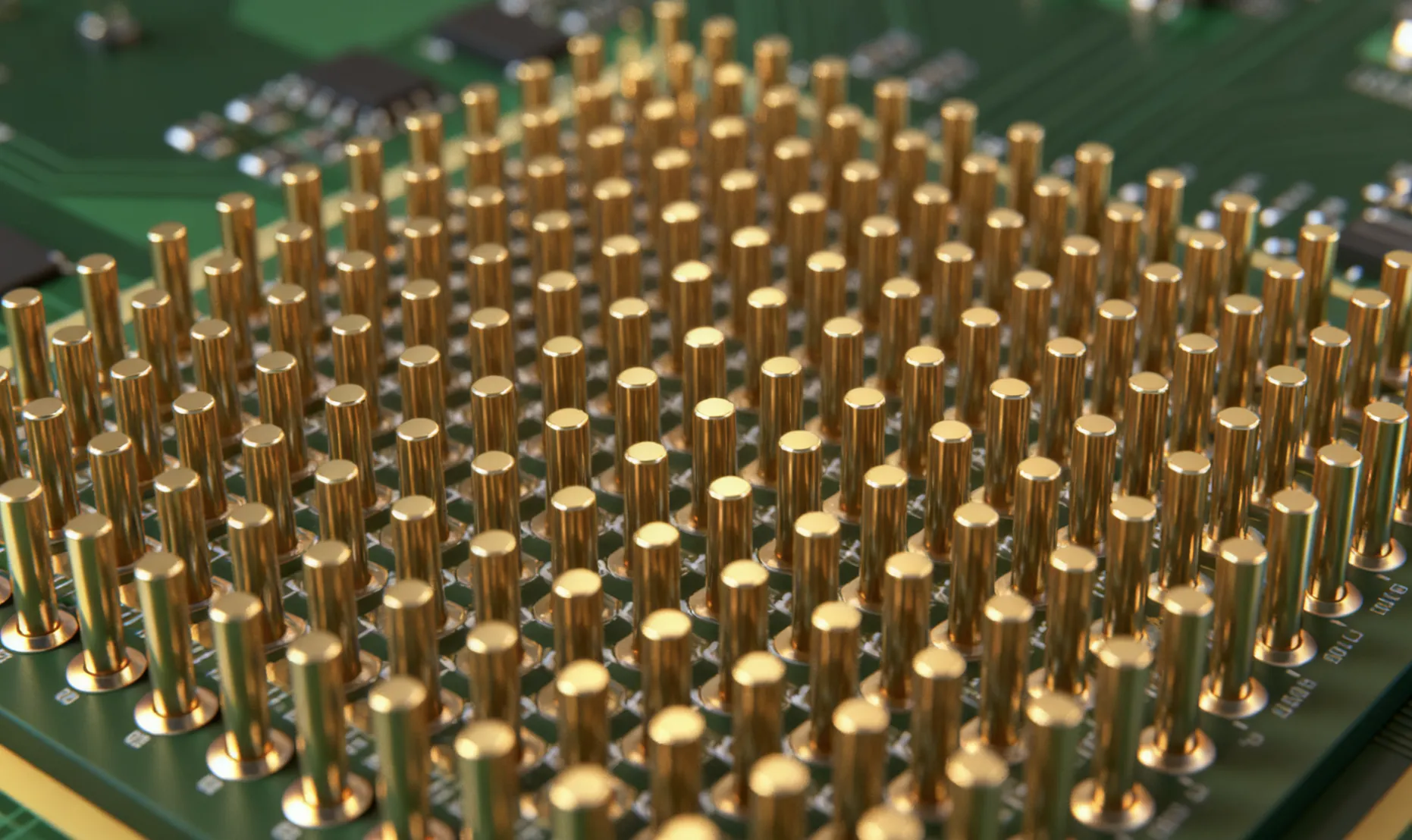
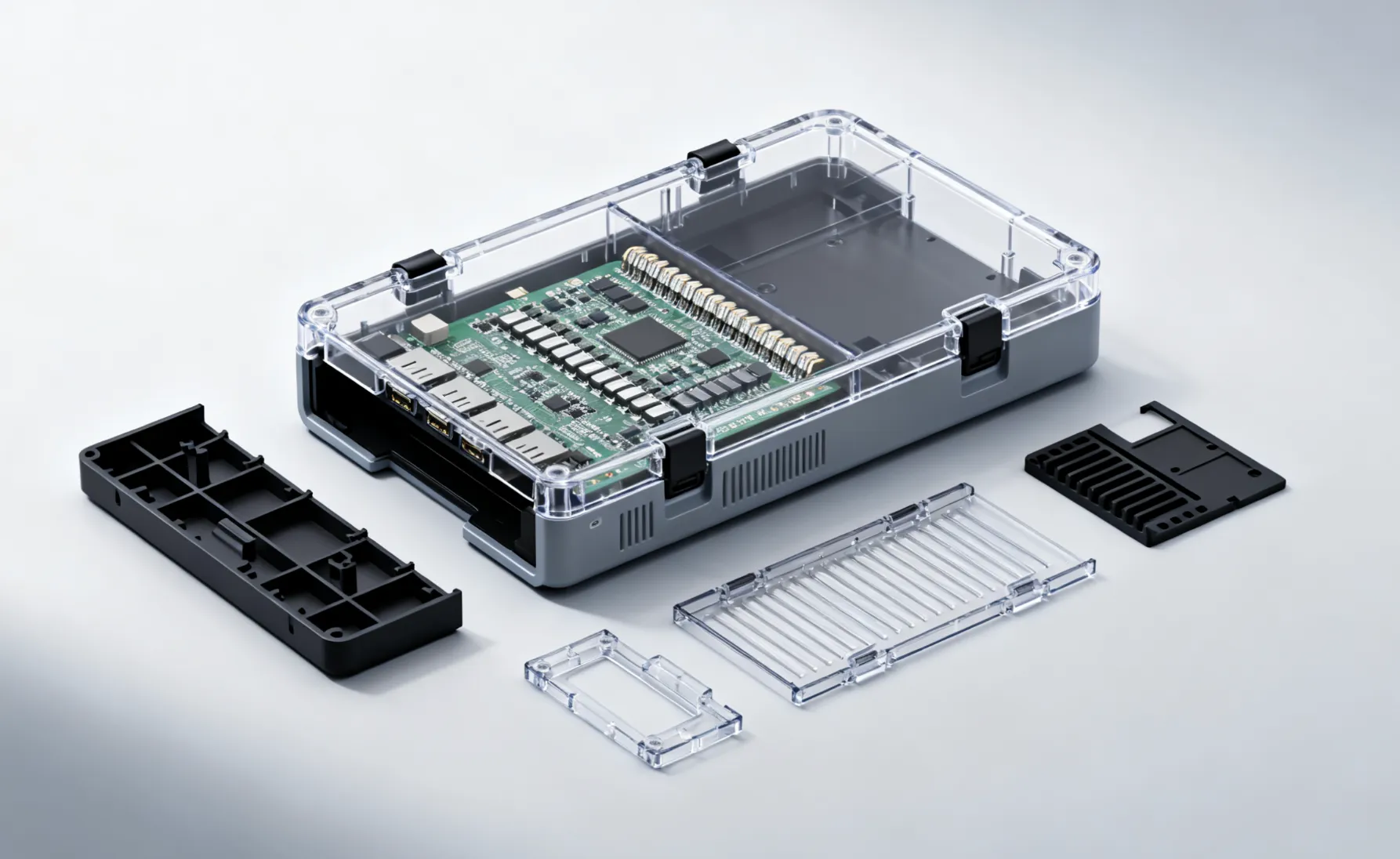
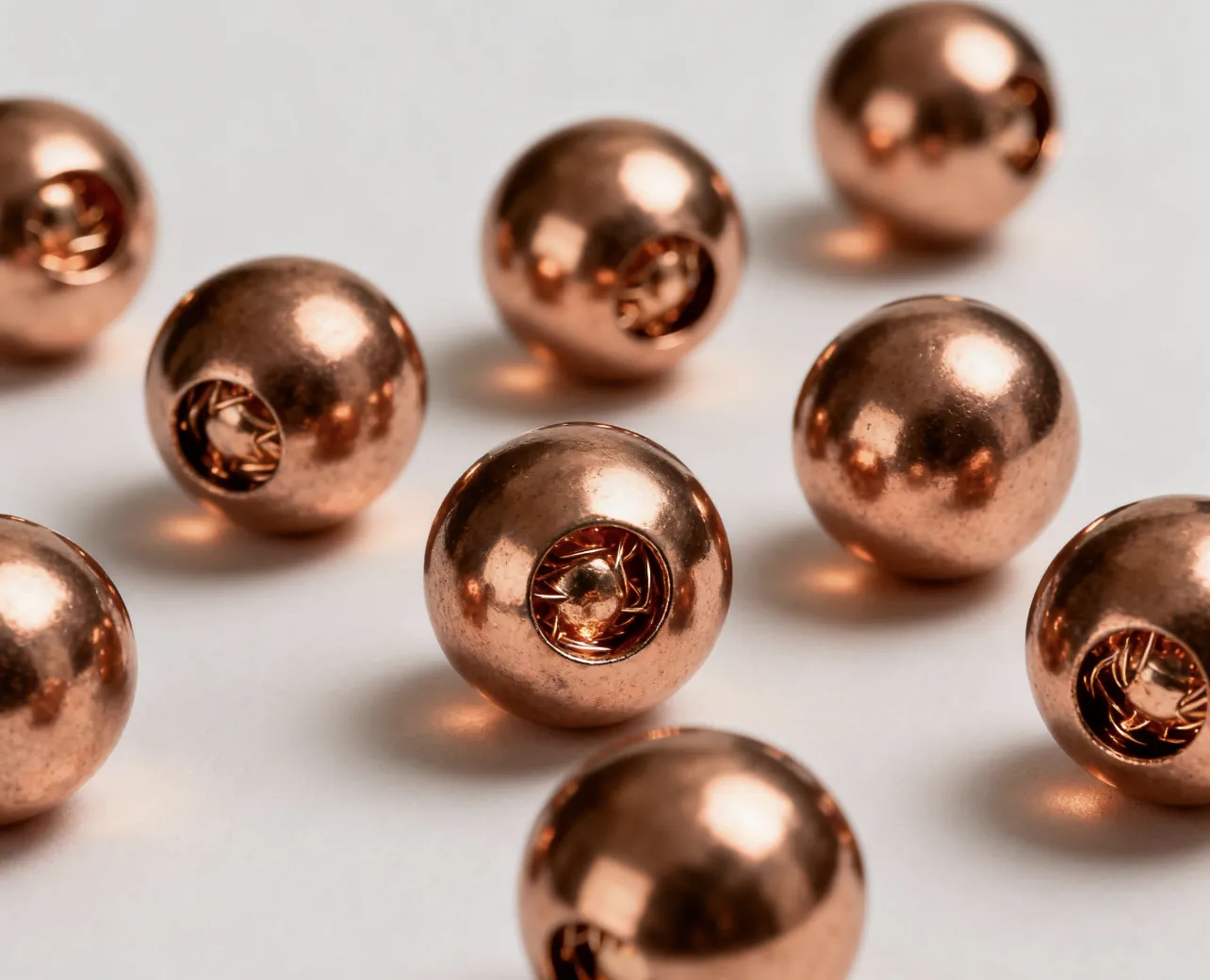
Switching to spring columns is already a major technical decision.
Choosing where to buy them is just as critical.
For many OEMs and EMS providers, China is now a natural place to look for suppliers. But spring columns are not a simple commodity. Evaluating vendors is not as easy as comparing two price lists.
Here are seven key questions you should ask any potential spring column supplier in China before you place your first order.
1. Is this really your core business?
The first thing to clarify is whether spring columns and CCGA products are:
- A side product of a general trading company, or
- A core product line of a dedicated semiconductor materials manufacturer.
Ask directly:
- What percentage of your business is solder balls, copper-core balls, and CCGA columns?
- Do you have your own production line and R&D, or are you re-labeling another manufacturer’s products?
You want a partner whose daily work revolves around advanced interconnection materials, not just generic components.
2. How do you control column geometry and coplanarity?
Dimensional control is everything for spring columns. A serious supplier should be able to explain clearly:
- How they control column length and diameter
- How they guarantee coplanarity across the array
- What equipment and methods they use to measure and record data
If the answers stay vague (“we inspect visually”, “we follow the drawing”) without mentioning actual tools and tolerances, be careful.
3. What reliability tests can you support?
For high-reliability applications, testing capability is as important as production capability.
Ask which of the following they can perform in-house or through trusted laboratories:
- Thermal cycling / thermal shock
- High-temperature storage
- Vibration and mechanical shock tests
- Shear and pull strength tests
- X-ray inspection and cross-section analysis
Also ask: Can you share real test reports, not just a one-page marketing brochure?
4. How transparent is your material traceability?
For long-life programs, you need full visibility into what you are receiving in every batch.
Good questions to ask:
- Do you assign batch numbers and maintain traceability for all key materials and process parameters?
- How long do you keep production and QC records?
- Can you provide a detailed Certificate of Analysis (CoA) with each lot?
If a field issue ever occurs, this level of traceability will be essential for root-cause analysis.
5. How flexible are you with custom dimensions and small batches?
Most serious spring column projects start small:
- A few hundred or a few thousand pieces for engineering builds
- Qualification runs and A/B comparisons against existing solutions
If a supplier only wants to talk about large, fixed minimum order quantities, it will slow down your development.
Clarify:
- What are your minimum order quantities for new dimensions?
- Can you support engineering samples and quick-turn prototypes?
- What is your typical lead time for opening a new spec?
A partner who can support small, flexible quantities during development is far more valuable than a purely volume-driven vendor.
6. What does your engineering support look like?
You are not just buying metal parts; you are buying process and reliability know-how.
Ask how they support you in practice:
- Will they help you choose the right column design and alloy based on your mission profile?
- Can they provide assembly recommendations (paste selection, reflow profile, cleaning)?
- If something goes wrong in your factory or in the field, can they support failure analysis and corrective actions?
A supplier who is willing to put their engineers in direct contact with your design and process teams can save you months of trial-and-error.
7. How do you manage lead time and long-term availability?
Spring columns are often used in programs that run for 5–10 years or longer.
You should understand:
- Typical lead times for standard vs. custom products
- Whether they hold safety stock for key programs
- How they handle raw material shortages or sudden demand spikes
- How they plan to keep the process stable over the lifetime of your project
For high-reliability products, consistent availability and process control are more important than saving a few cents per component.
How we position ourselves as your spring column partner
When international customers talk to us about sourcing from China, they usually care about three things:
- Technical competence
We focus on solder balls, copper-core balls, and CCGA columns as core products, with dedicated R&D and production resources. - Reliability mindset
Our processes and testing are designed around long-life, harsh-environment applications rather than short-lived consumer products. - Collaborative engineering support
We treat spring column projects as a long-term technical partnership, not a one-time transaction.
If you want to benchmark your current supplier or explore a second source, we are ready to answer all seven questions above with full transparency.
Planning to source spring columns from China?
Share your package details, mission profile, and volume expectations with us via the enquiry form on this website or by email. We will prepare a technical and commercial proposal tailored to your project, and help you evaluate whether our spring column solutions fit your reliability and cost targets.