Fundamental Principles of BGA Soldering
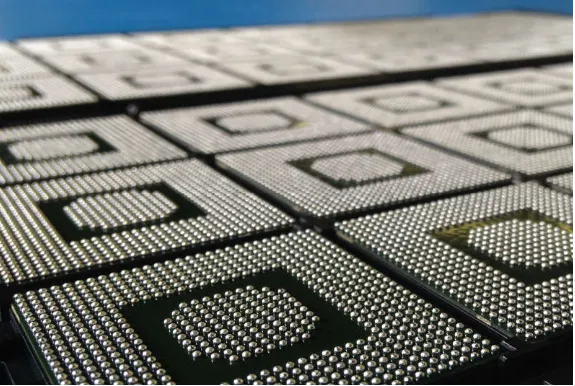
BGA soldering involves bonding solder balls to the chip's pads. The chip is then placed upside down on the PCB. Heat and pressure are applied to melt the solder balls, which then connect them to the pads on the PCB, completing the soldering process. Compared to traditional soldering techniques, BGA soldering enables higher joint density, reduces power loss during soldering, and enhances soldering reliability. It also delivers superior thermal and electrical performance along with improved mechanical strength, making it suitable for high-speed signal transmission and high-frequency applications.
BGA Soldering Process Flow
The BGA soldering process comprises preparation, desoldering, cleaning, tinning, pad bonding, chip placement, reflow soldering, and cooling. During preparation, pad and ball dimensions/quality are inspected, soldering parameters are confirmed, and necessary tools/materials are assembled.
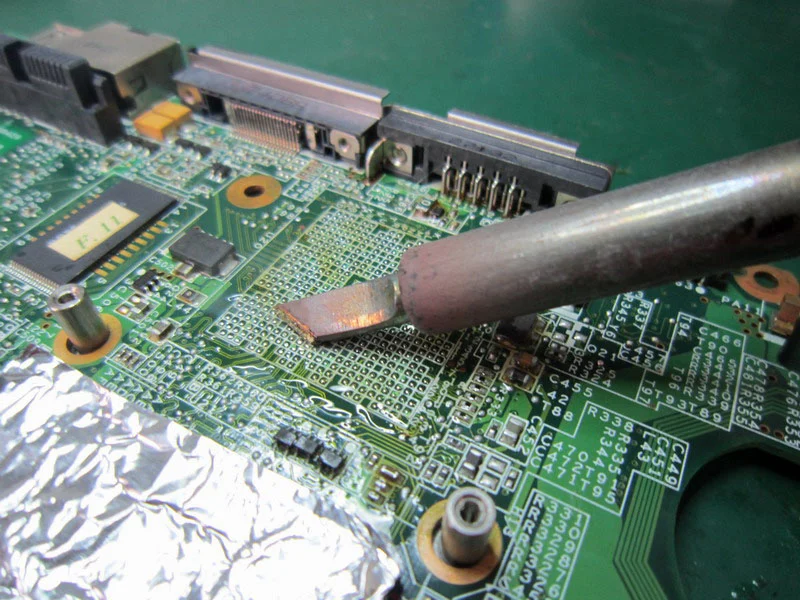
Desoldering removes old solder balls from pads using hot air guns or hot plates. Cleaning eliminates desoldering residues and contaminants to ensure pad cleanliness. Tinning deposits new solder balls onto pads while controlling quantity and placement. Chip mounting positions soldered chips onto mounting boards for subsequent die placement and soldering. Die placement involves inverting the ball-attached chip onto the PCB, ensuring precise alignment between the chip and PCB. Reflow soldering uses hot air or infrared heating to melt the solder balls and bond them to the pads, requiring precise temperature and time control. Cooling is the process of bringing the soldered chip back to room temperature, ensuring solder joint stability and reliability.
What are BGA solder balls?
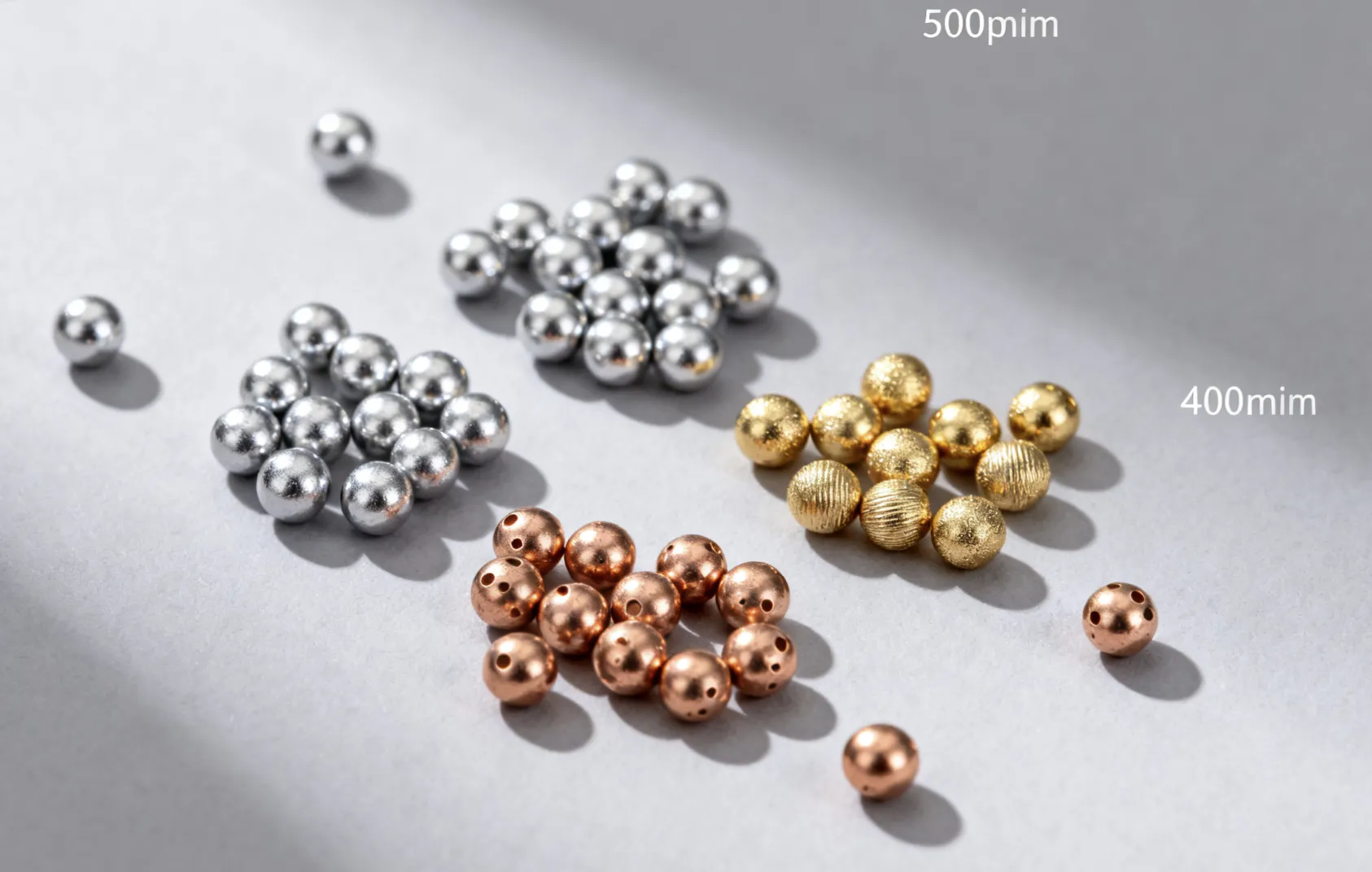
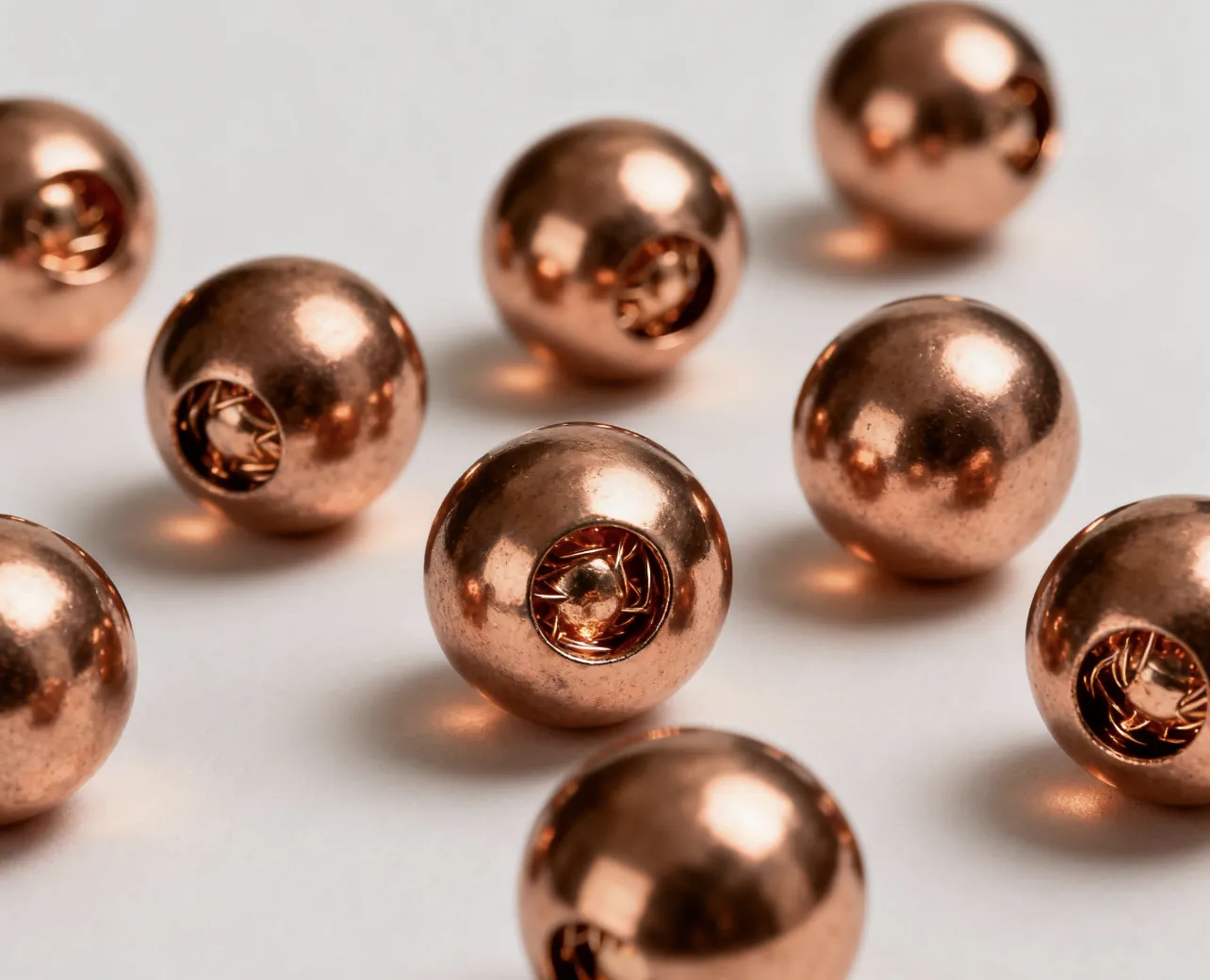
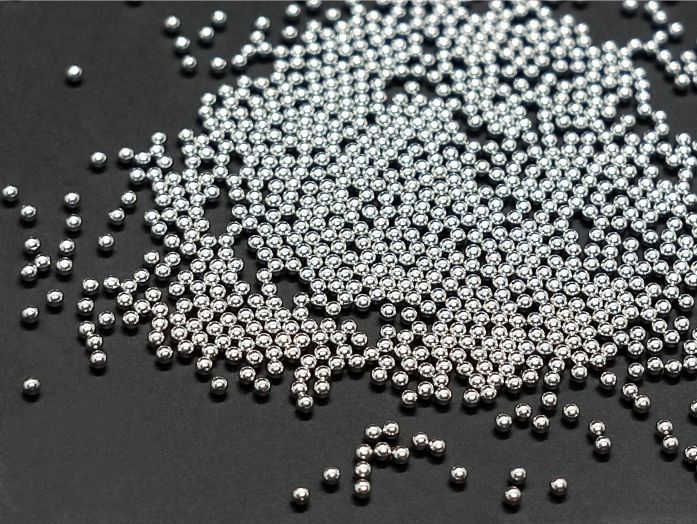
Solder balls are spherical solder products manufactured through high-purity raw material melting, atomization/dropping, and screening/grading techniques. Characterized by uniform diameter (tolerance within ±0.02mm) and excellent roundness, they are widely used in BGA packaging and microelectronic soldering to enhance packaging precision and ensure reliable chip-to-board connections.
Primarily composed of high-purity tin, silver, and copper, these balls are applied in server motherboards, graphics cards, and smartphone chips. They prevent connection failures in BGA packaging, uneven solder joints in microelectronic soldering, and signal interference in high-frequency chip soldering.
1. Micro-Bridges Beneath the Chip
BGA solder balls are micro-sized metal spheres arrayed beneath the chip, typically ranging from 0.2 to 0.76 millimeters in diameter. These tin-based alloy spheres function like miniature bridge engineers: they melt into liquid during operation and solidify into permanent electrical connections upon cooling. Compared to traditional pins, this design enables hundreds of connection points per chip with a pitch as fine as 0.4 millimeters.
2. Dancing Thermodynamic Masters
Solder balls exhibit remarkable properties during reflow soldering:
Surface tension control: Self-align to pads like mercury droplets when molten
Self-correction capability: Minor misalignments automatically realign via liquid metal flow
Thermal expansion matching: Special alloy formulations buffer thermal expansion/contraction differences between chip and PCB
3. Tiny Spheres, Big Impact
This design delivers three revolutionary changes:
- 60% increase in space utilization, enabling thinner smartphones
- Shorter signal transmission distances, unlocking higher processor speeds
- Enhanced shock resistance significantly reduces failure rates in automotive electronics
Most intriguingly, the surface tension of melting solder balls naturally forms perfect arcs. This inherent optical property is even utilized for calibrating certain sensors.
BGA is a surface-mount package where spherical bumps replace pins in an array pattern on the PCB's reverse side. LSI chips are mounted on the PCB's front side, then sealed using molded resin or potting methods.
Features
• Higher pin count and finer pitch with reduced assembly footprint
• Superior thermal and electrical performance
• Compatible with SMT processes
• Low manufacturing cost and high reliability
Luoyang Qiancai Industrial provides high-purity BGA Solder Balls, ensuring that the solder balls meet the precision requirements you need.