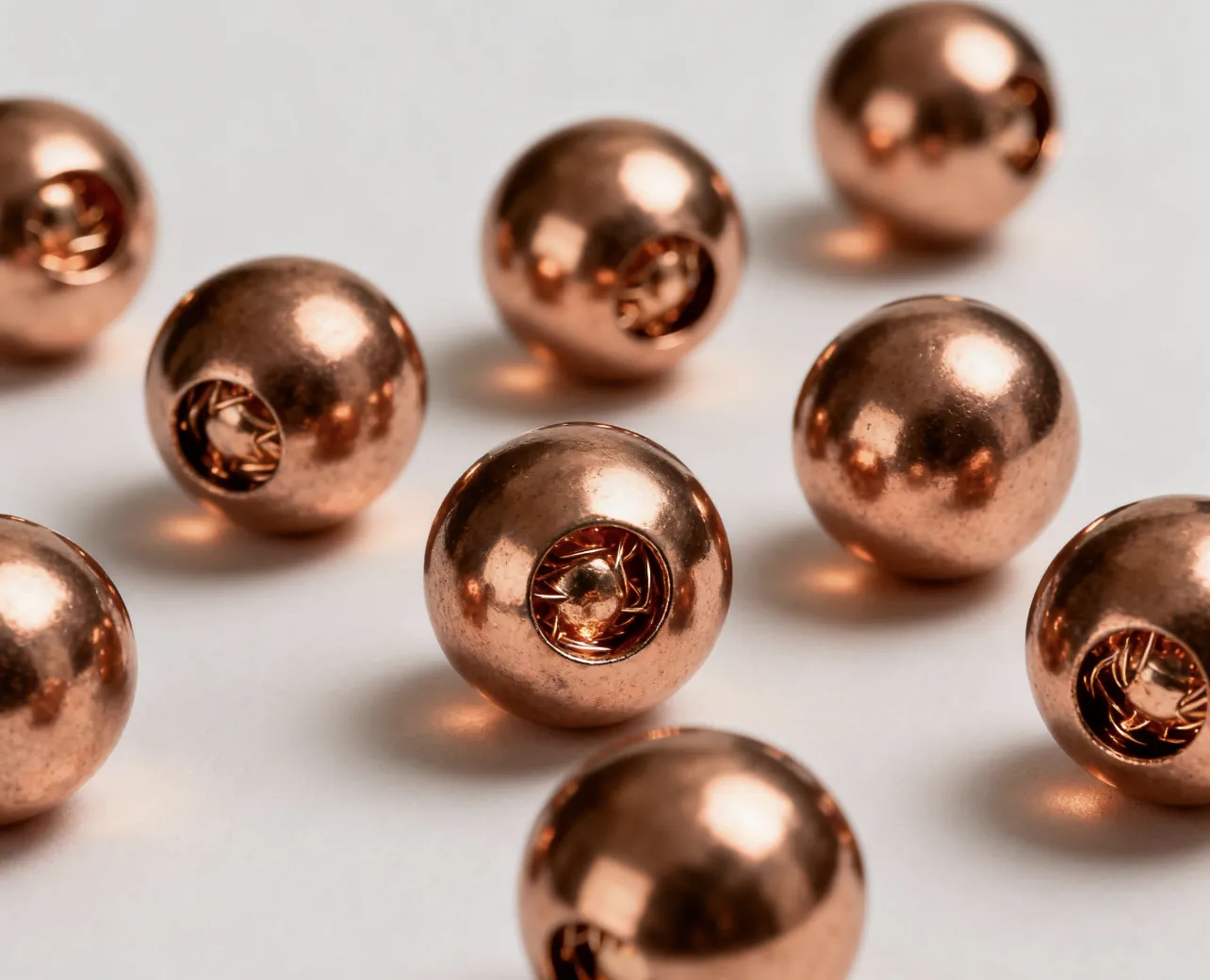
In high-density IC packaging, most engineers spend a lot of time selecting chips, substrates, and underfill. But in many failure analyses, the root cause is finally traced back to a much smaller component: the BGA solder balls.
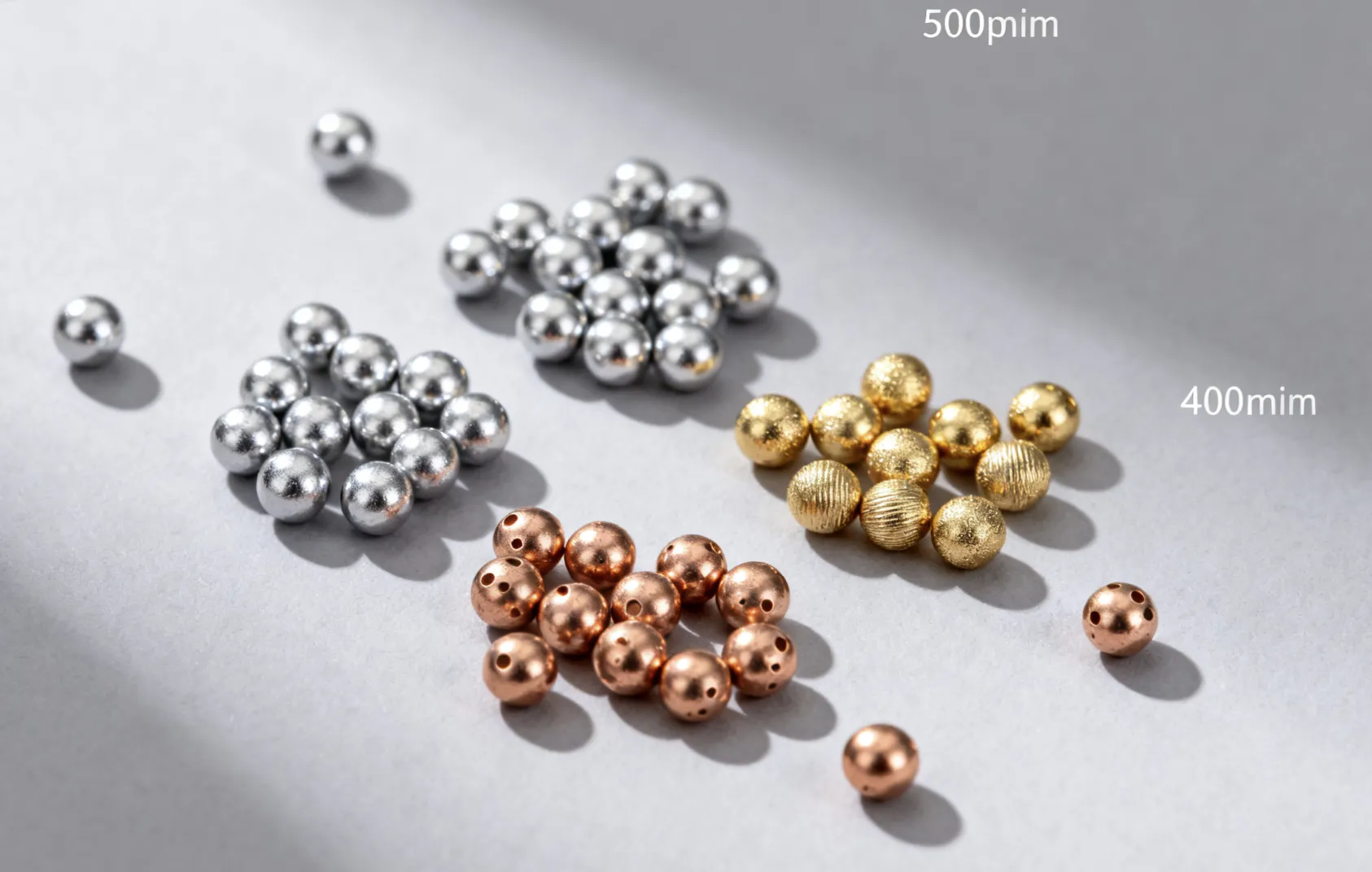
These tiny spheres are not just “connection points” – they are the actual bridge that carries electrical signals, mechanical stress, and thermal fatigue between your chip and PCB. If you are working on mobile SoC, CPU, GPU, memory, or compact wireless modules, the quality of your BGA solder balls will directly determine the yield and long-term stability of your products.
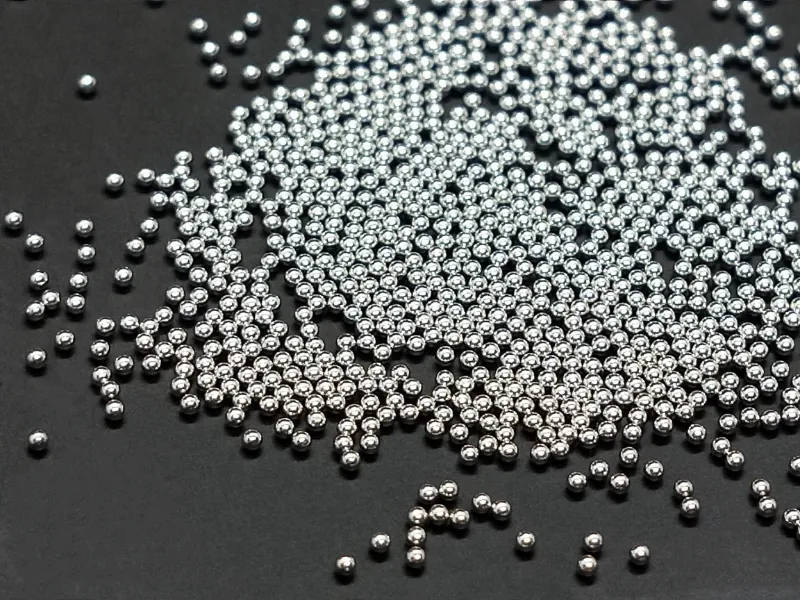
What BGA Solder Balls Really Do in Your Package
BGA solder balls are arranged in a grid array under the package to:
- Provide low-resistance electrical pathways for high-speed signals
- Absorb mechanical stress between the package and PCB
- Compensate for thermal expansion mismatch during power cycling
- Maintain coplanarity and stable stand-off height for reliable reflow
When ball quality is not stable, you start to see intermittent failures, open joints, head-in-pillow defects, and early field returns – all of which are extremely expensive to fix once the product is shipped.
Lead-Free SAC305 vs. Sn63Pb37: Choosing the Right Alloy
For most modern applications, two alloys dominate BGA solder ball usage:
- SAC305 (Sn96.5/Ag3.0/Cu0.5):
Widely used in lead-free consumer, industrial, and communication electronics. It offers good drop performance, mechanical strength, and thermal fatigue resistance. - Sn63Pb37:
A classic eutectic alloy still used in some legacy products and special applications where lead is permitted. It provides a sharp melting point and very stable wetting behavior, which can simplify process control.
When choosing between these alloys, you should consider:
- Regulatory requirements (RoHS, REACH, and customer standards)
- Operating temperature and thermal cycling profile
- Mechanical shock and vibration conditions
- Required solder joint life versus cost pressure
A professional BGA solder ball supplier can provide consistent SAC305 and Sn63Pb37 balls with narrow composition tolerances and proven reliability data to support your design decisions.
Why Diameter and Tolerance Matter More Than You Think
Most BGA solder balls fall in the 0.20–0.76 mm diameter range. On paper this looks simple, but in production the following parameters make a huge difference:
- Diameter tolerance: Too much variation leads to poor coplanarity and uneven solder joint heights.
- Roundness: Out-of-round balls affect flux pickup and placement accuracy.
- Oxide level: Excess oxide film reduces wetting and increases voids.
- Surface cleanliness: Residues impact storage stability and reflow behavior.
Tight control of these parameters is what allows you to run stable production with high yields, even on dense BGA, CSP, WLCSP, MEMS and fine-pitch CSP packages.
Low Void Rate: The Hidden Driver of Package Reliability
Modern packaging lines demand ultra-low void rates, especially in high-current, high-frequency, and thermal-sensitive designs. Poorly controlled solder balls can introduce gas entrapment and voids that are hard to detect during standard inspection.
Working with a dedicated BGA solder ball manufacturer gives you:
- Stable metallurgy and microstructure
- Optimized production process for low void formation
- Traceability from raw material to final lot
- Data support for your internal reliability and FA reports
The result is not only better quality, but also fewer surprises during NPI ramps and mass production.
How a Specialist Supplier Supports Your Engineering Team
Beyond simply “supplying balls”, a specialist manufacturer can help you:
- Recommend ball sizes and alloys for different package types
- Match ball specifications to your substrate design and assembly process
- Provide trial lots for NPI and engineering builds
- Offer inspection reports, composition analysis, and reliability data
- Support urgent orders for engineering changes and line transfers
This type of technical support helps your team shorten verification cycles, stabilize yields faster, and respond quickly to customer projects.
Final Thoughts: Turn Tiny Spheres into a Real Competitive Advantage
In a world of shrinking pitches, higher I/O counts, and more complex assembly, BGA solder balls have become a strategic component in advanced packaging – not just a commodity.
If you are planning a new package platform, optimizing existing BGA lines, or facing solder joint reliability issues, it is worth re-evaluating your solder ball specifications and supplier. Share your ball size, alloy, and application requirements with a professional BGA solder ball manufacturer, and turn this small component into a big reliability advantage.